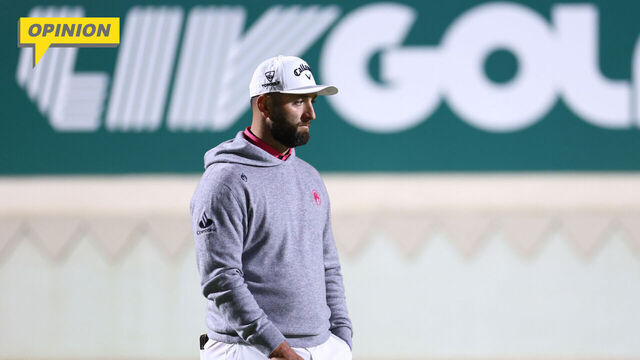
It has been a strange couple of weeks for the entity known as LIV Golf.
Confusion. Doubt. Skepticism. Uncertainty.
And so, give the fabulously wealthy and wholly unnecessary breakaway golf league one thing: at least it is consistent.
From the moment LIV elbowed its way onto the golf scene almost five years ago, backed by a bottomless pile of Saudi cash and fronted by a grumpy Greg Norman, the enterprise has been puzzling.
Why did they think there was a market for golf tournaments with small fields and huge purses in places like North America and Europe that already had plenty of high-level golf?
Why did they imagine anyone would care about the team format, with four-player groups thrown together seemingly at random and given bland names like the Cleeks and HyFlyers, complete with amateurish logos?
What evidence was there that LIV's other innovations - only 54 holes! Shotgun starts! Loud music on the course! - would appeal to golf fans who were used to watching tournaments unfold in a traditional way?
It's possible that none of those questions will ever be answered.
The Saudi Public Investment Fund (PIF), which has pumped over $5 billion into a league that loses hundreds of millions per year, is pulling its funding for LIV Golf after the 2026 season. This seemed likely two weeks ago, when the Saudis did not include LIV in a statement that announced the PIF's new funding priorities. But the Saudi benefactors including Yasir Al-Rumayyan, the PIF governor and golf nut, are now formally departing the LIV board. The league issued a vague statement Thursday that said two new board members would lead a push for long-term funding. It did not mention Saudi Arabia.
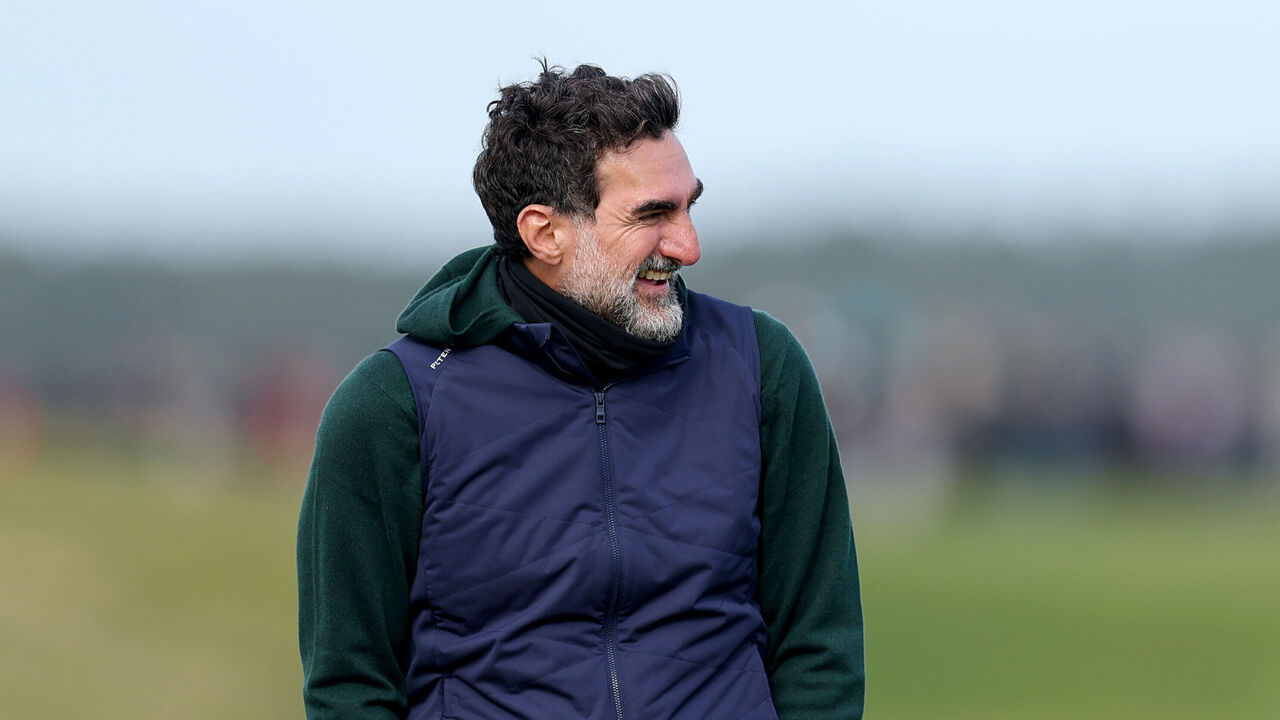
That leaves LIV Golf having suffered what is surely a mortal blow. Scott O'Neil, the chief executive who replaced Norman as LIV boss, gave an oddly defiant couple of interviews when news of the possible Saudi withdrawal broke in mid-April, suggesting that new sources of funding could be found to keep the lights on, but that is incredibly wishful thinking.
LIV has never made a lick of business sense, with non-existent TV ratings, nothing in the way of a real broadcast deal, and little in the way of paying fans, other than in a couple of regions - Australia and South Africa - that do not often see elite professional golf.
It doesn't operate many tournaments, and those it does are scattered across the globe, making it impossible to establish itself with any sort of rhythm on the golf calendar.
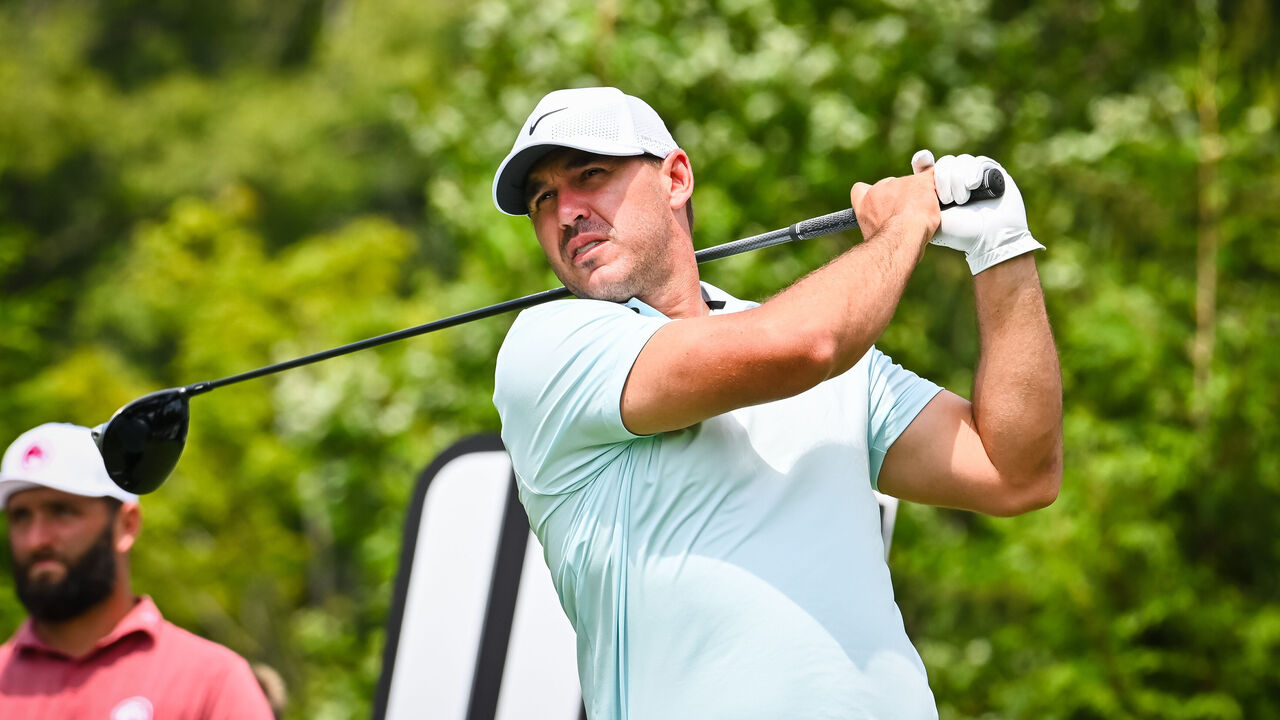
Perhaps most importantly, it failed to do the thing it set out to do: create star-studded tournaments that would make the PGA Tour feel like losertown. Yes, it bagged some big names at the outset like Bryson DeChambeau and Brooks Koepka (and later Jon Rahm), but many of the most recognizable players - Phil Mickelson, Lee Westwood, Bubba Watson, even Sergio Garcia - were past their prime.
There was also no escaping the fact that, even with just over 50 players in the field, many of them were not household names. With apologies to Dean Burmester, Kevin Na, Cameron Tringale, and the other non-major winners who have carried the LIV banner over the years, these are not needle-movers.
Once the PGA Tour responded to the LIV incursion by boosting its purses and creating a new tier of small-field Signature Events - yes, poaching the LIV concept, minus the name - it effectively neutralized the threat. It's been two-plus years since Rahm bolted for LIV's riches, and the league hasn't been able to woo an established star since.
In fact, Koepka and Patrick Reed actually went in the other direction.
That means, at any given LIV event, a viewer has been as likely to see Jason Kokrak or Brendan Steele, while music thumped in the background, as they were to see Dustin Johnson facing off with fellow major winner Cameron Smith. It simply didn't make for the kind of events that golf fans felt they couldn't miss.
This season, LIV gave up on the 54-hole format that gave the thing its name in the first place, and added a fourth day of competition, helping it finally make its tournaments worthy of world-ranking points. But that also made it less unique: now LIV events were like regular golf tournaments, but with a smaller, weaker field, plus the team component that no one cares about.
One last thing on those teams: O'Neil has floated the idea that some of the funding that LIV now desperately needs could be raised by selling equity stakes in the Crushers, Fireballs, and other "franchises." LIV has had many bonkers ideas, but this is the most absurd of them all.
LIV's teams earn money almost entirely thanks to the huge prizes funded by Saudi cash that will now be disappearing. The teams, on their own, don't have any of the built-in advantages of a pro sports franchise. There's no natural geographic fan base, no history, no rivalries, and especially no benefits that come with a place in an already-established successful league.
Sports fans, as the old joke goes, cheer for laundry: whoever is on their favorite, established team. LIV teams are the opposite of that. They are just four golfers who play their tournament and also happen to be on this made-up team with a goofy name. Why would any investor want to buy a stake in the RangeGoats, unless it is to set his or her money on fire?
One imagines the new guys trying to lead the LIV turnaround will have a hard time answering that question.
Scott Stinson is a contributing writer for theScore.