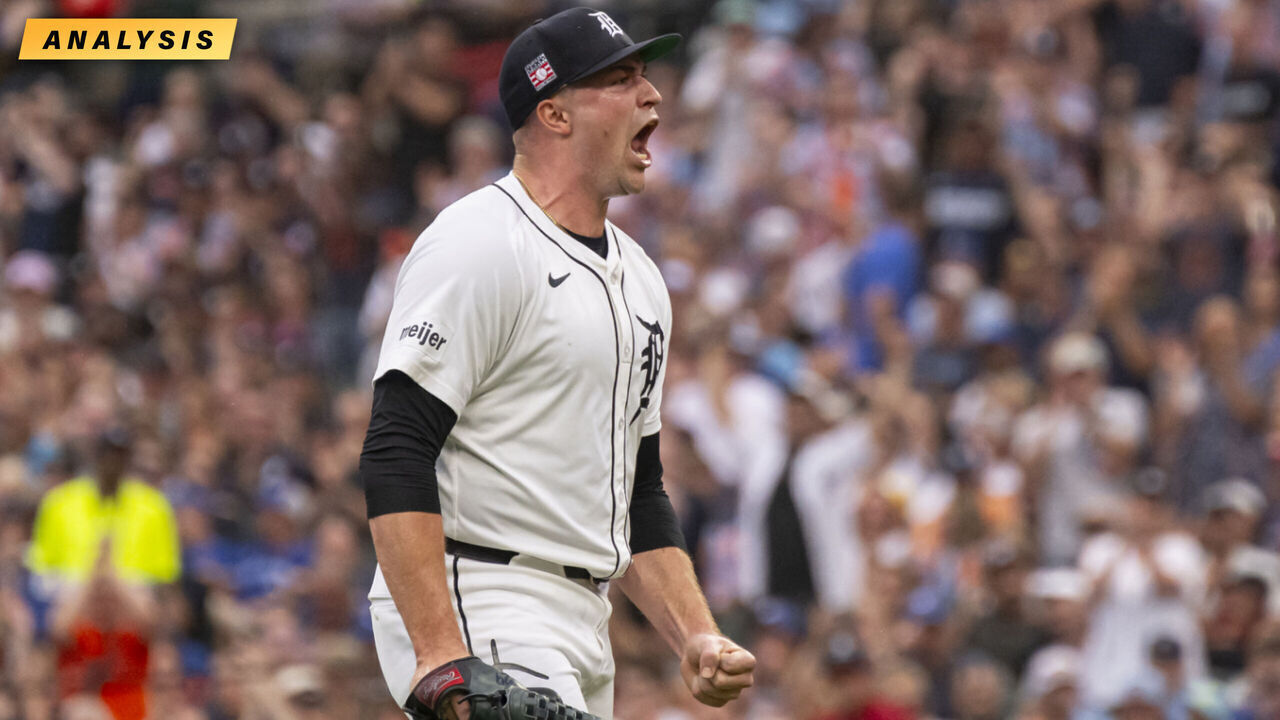
Tarik Skubal's potential final season with the Detroit Tigers got off to an inauspicious start Thursday when the two sides failed to agree on a salary for 2026 prior to the deadline for arbitration-eligible players.
While teams and players disagreeing on financials isn't particularly uncommon - Skubal is one of 18 players this year facing an arbitration hearing - the gulf dividing the left-hander and the Tigers is shocking.
Skubal is seeking a record $32-million salary in his final year under team control. The Tigers countered at $19 million. The $13-million difference is the largest in arbitration history. Detroit is a file-and-trial club, meaning it goes to a hearing once submitting its figure unless a multi-year deal can be agreed upon. That seems unlikely with Skubal now 10 months away from free agency.
So, it appears Skubal's salary will be determined by a panel of three arbiters during a hearing that will be held between Jan. 26-Feb. 13. It's important to note that the panel will select one figure or the other. There's no middle ground. Here's where each side is coming from and what it all could mean.
The case for the Tigers
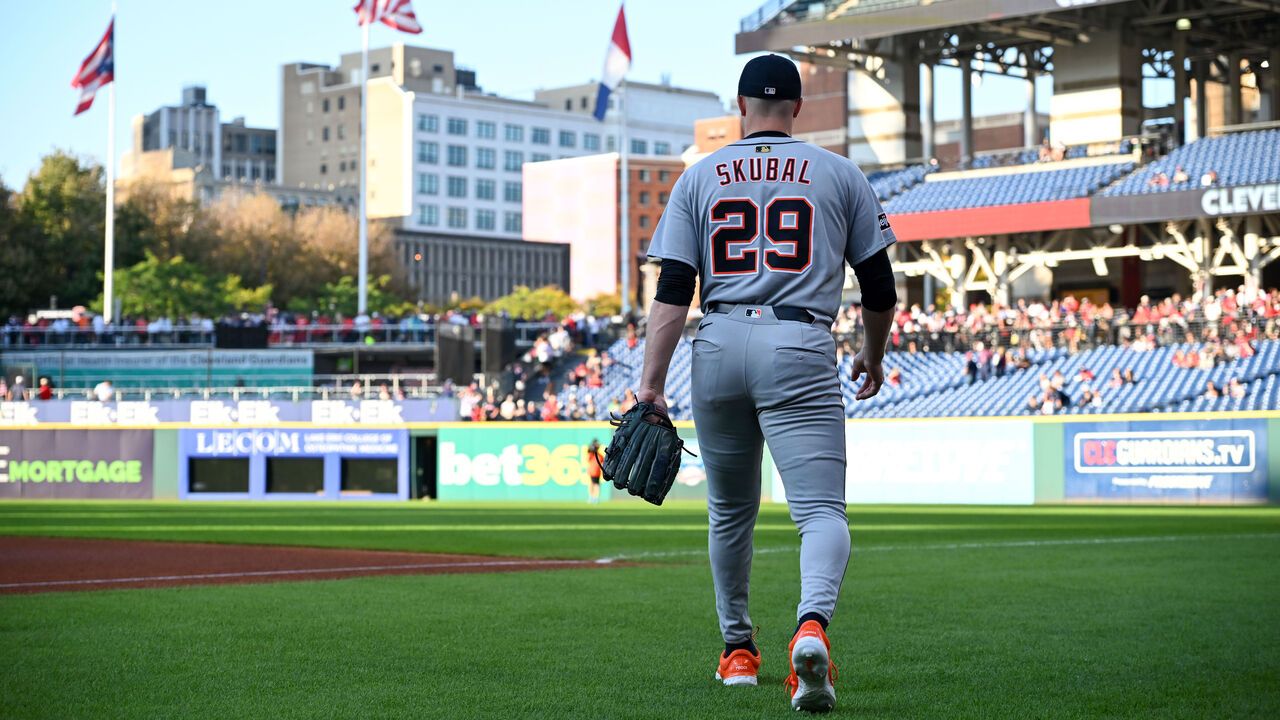
It's important to separate arbitration salaries from free-agent salaries. No one is denying that Skubal is worth more than $19 million per season. He's the best starting pitcher in baseball - his back-to-back AL Cy Young Awards confirm that. Skubal will finally be fairly compensated when he hits the open market come November, but until then, he's at the mercy of historical precedent and the somewhat outdated arbitration system. That's where Detroit's offer stems from.
Skubal earned $2.65 million in 2024, his first year of arbitration eligibility. After winning his first Cy Young, he jumped up to $10.15 million for the 2025 campaign. The Tigers will argue that their $19-million offer is almost double his previous salary, though it does fall short of the largest raise for a starting pitcher (Jacob deGrom saw his salary increase $9.6 million in 2019). Detroit can also argue that, despite $19 million not representing the highest arbitration salary ever for a pitcher - David Price holds the record at $19.75M - Skubal's salary would be the highest for a player in his third year of arbitration. (Price was a Super Two player and received four years of eligibility.) Furthermore, the Tigers can say that Price only jumped from $14 million to $19.75 million in his final year.
MLB Trade Rumors projected Skubal's 2026 salary at $17.8 million, so the organization can claim that it came in even higher than the best salary arbitration projection model.
Let's be honest though: Detroit's only real argument is driven by precedent instead of performance. There aren't really any flaws the club can point to against a player who's won back-to-back Cy Young Awards and finished top seven in MVP voting in consecutive years, not to mention Skubal's incredible playoff performances.
Both sides will state that the negotiations are just business, though the Tigers should at least be cognizant of the external optics of fighting with their star player and how that might be perceived by players and the fan base. We've seen other arbitration hearings drastically derail relationships.
A little behind but just saw the arbitration news on Skubal. I mean the Detroit Tigers fumble this big time. Skubal wants 32 mill Detroit offers 19 mill. Trash organization.
— Josh Donaldson (@BringerOfRain20) January 10, 2026
If Detroit has any intention of trying to extend Skubal, disparaging him during an arbitration hearing is a tough way to open negotiations - especially considering his importance in lifting the organization out of a long rebuild. Alternatively, if the Tigers decide to trade Skubal this year, they'll likely get a better return if his salary is $19 million as opposed to $32 million.
The best option for the team is trying to reach a middle ground before any hearing.
The case for Skubal
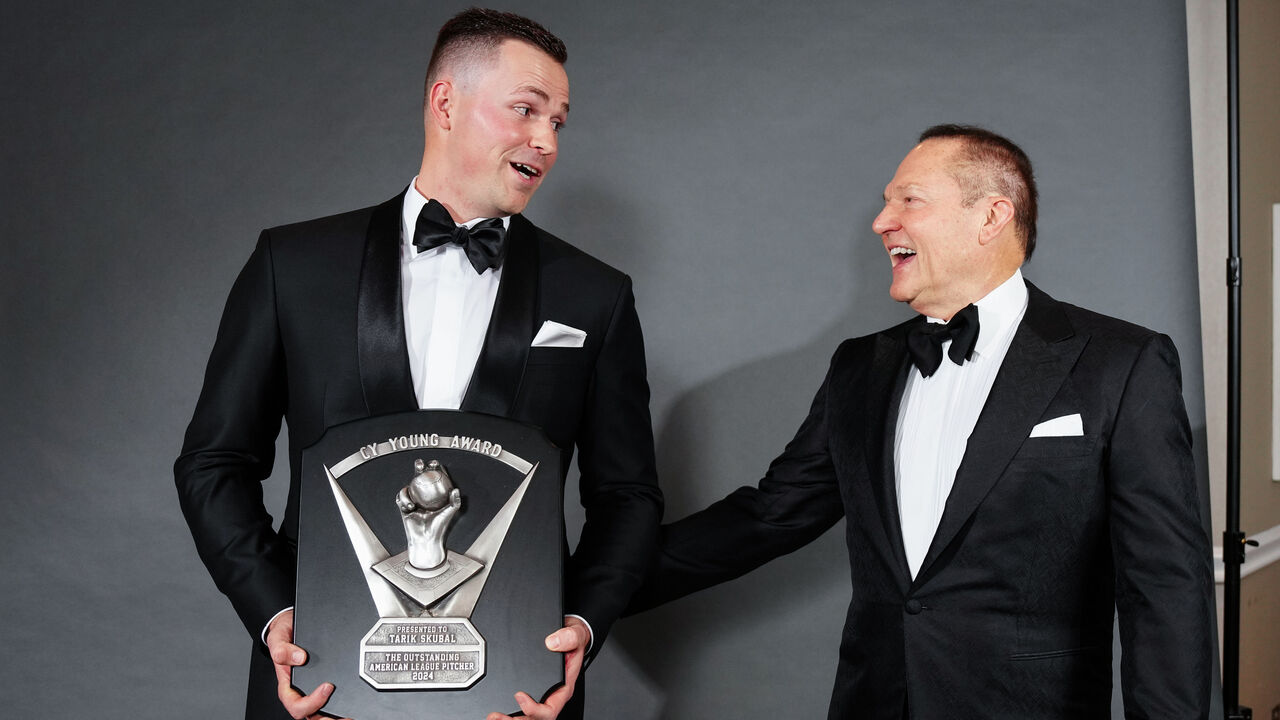
Skubal can walk into the room with a Cy Young plaque in each hand and put them down on the table.
He's one of the stars of the sport and has dominated traditional and advanced metrics. The 29-year-old has been incredibly durable, having thrown the second-most innings (387 1/3) in MLB over the last two seasons while avoiding the injured list. Skubal appears to be a model teammate, was the organization's Roberto Clemente nominee, and has really embraced the city of Detroit. These things won't show up during an arbitration hearing but should hold value when deciding on keeping a player long term.
Expect Skubal's side to use his case to help correct arbitration salaries in the pitching market moving forward. While Price holds the record for a starter, it's well below Juan Soto's all-time record of $31 million set two years ago. Soto was a Super Two player as well, though Skubal can argue that not only was he given the top award for his position, he also received consideration for MVP awards in each of the last two seasons. He's not just one of the best pitchers. He's one of the most valuable players.
There's another aspect working in Skubal's favor, which was pointed out by Jorge Castillo of ESPN:
Two uncommon stipulations could help Skubal win his case. The first allows players with at least five years of service time to compare themselves to not just past arbitration-eligible players but every other player, permitting Skubal to compare himself to past pitchers with the highest salaries. The second are his "special accomplishments," which any player who has set records or earned awards can present. Skubal is one of 12 pitchers to win back-to-back Cy Young Awards and one of 23 pitchers to win the award multiple times.
Salaries league-wide for star players have increased significantly since Price set the record more than 10 years ago. Clayton Kershaw was the highest-paid starter at $30 million that season, while only seven starters were paid more than $20 million. Six starters will make at least $30 million in 2026 - seven if you include Shohei Ohtani - and 30 will earn at least $20 million. Of course, all of those pitchers received their contracts through free agency or extension, and it's very important to acknowledge the distinction.
Detroit's offer would tie Skubal with Nick Pivetta for the 31st-highest salary among pitchers next season. It would also make him just the third-highest-paid player and second-highest-paid pitcher on his own club behind Javier Báez and Jack Flaherty.
If there ever was a player to make a case for such a large raise in arbitration, it's Skubal, and regardless of the outcome, he's setting himself up well heading into free agency, where he'll be in full control of his future.
Everything Scott Boras does is intentional, so you have to believe there was tremendous consideration given to the team's counteroffer. The agent is trying to send a message to not only the Tigers but the rest of baseball as well.