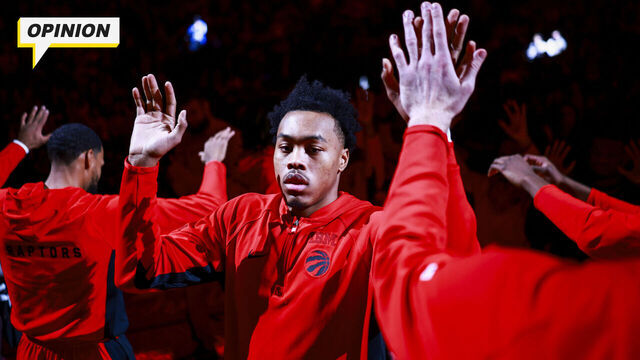
There was a time when a 46-win season for the Toronto Raptors was the stuff of dreams.
For the first 17 years of the franchise's existence, the Raptors exceeded that win total exactly twice.
Eventually, though, that ceiling became the floor, and the conversation around the team evolved. At the height of the DeMar DeRozan-Kyle Lowry-Dwane Casey era, the question shifted from whether the Raptors could ever be a consistently good team as the NBA's lone Canadian outpost to whether they could challenge for titles without a superstar.
The answer, after several playoff failures, was a definitive no.
And then they got a superstar and won.
Seven years later, the Raptors are again facing those questions that dogged them for so long. How far can you go in the playoffs without an All-NBA talent leading the way? If the answer is "not very far," does it make sense to keep trying?
Toronto is about to answer the first question for the first time in a while. The second question is tougher to parse.
If the Raptors have one clear advantage as they head into a first-round series with the Cleveland Cavaliers, it's that they don't have the burden of expectations.
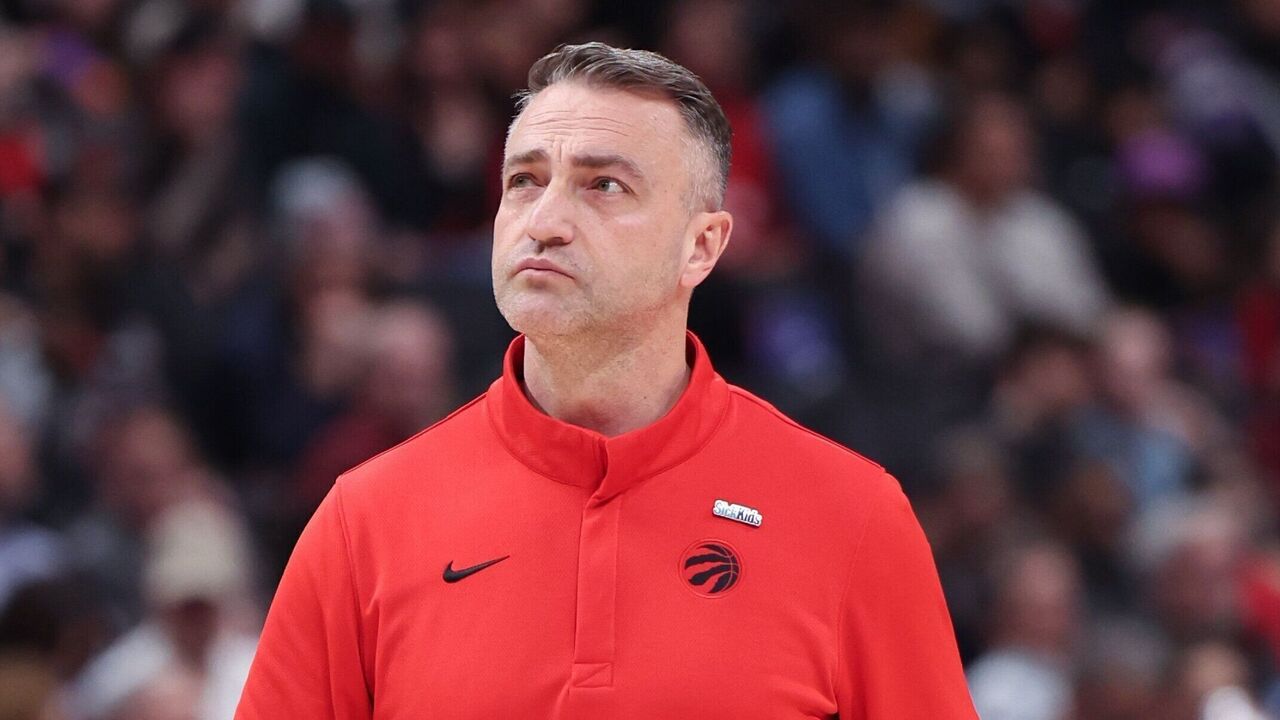
Despite it being a matchup between the No. 4 and No. 5 seeds in the East, the Raptors are heavy underdogs against the Cavs. Notably, before Friday night's games, the Charlotte Hornets had better series odds against the top-seeded Detroit Pistons - and they still have to win a play-in game to get a chance to face Detroit.
The Raptors-related skepticism is no secret. They started hot, possibly catching a few teams napping as they won 14 of their first 19 games. But then it was basically .500 basketball the rest of the way.
Toronto beat up on the clubs it was supposed to - a necessity in an NBA where so many squads are aggressively tanking - but rarely beat the teams it wasn't supposed to. The Raptors managed only one win in 12 tries against the Pistons, Boston Celtics, and New York Knicks - the East's top three seeds - and were just 5-22 against the NBA's top-10 teams.
Although Toronto went 3-0 against Cleveland in the regular season, it has yet to play the Cavs since they added James Harden. Say what you will about Harden and his playoff troubles, but he has vastly more postseason experience than anyone on the Raptors. That matters, especially considering the Cavaliers rebounded from a middling start to post a 33-13 record after December.
Whatever happens in this series, it won't much change what the Raptors will look like in the coming seasons. Tanking has been the most popular way to try to build a contender in recent years, with teams shamelessly benching quality players as they stack losses and improve draft lottery odds. But Toronto, under the since-departed team president Masai Ujiri, attempted the rare reset, trading quality assets like Pascal Siakam and OG Anunoby and netting rotation players rather than draft picks in return.
After two poor seasons - extremely brief by tanking standards - the Raptors followed with a 16-win improvement this campaign, one of the NBA's biggest turnarounds.
While this is a solid roster with some All-Star-caliber pieces in Scottie Barnes and Brandon Ingram, you don't get that brutal record against the league's best teams without having some exploitable flaws. Toronto's half-court offense improved from moribund to passable, but that's usually not anywhere near good enough to survive in the playoffs.
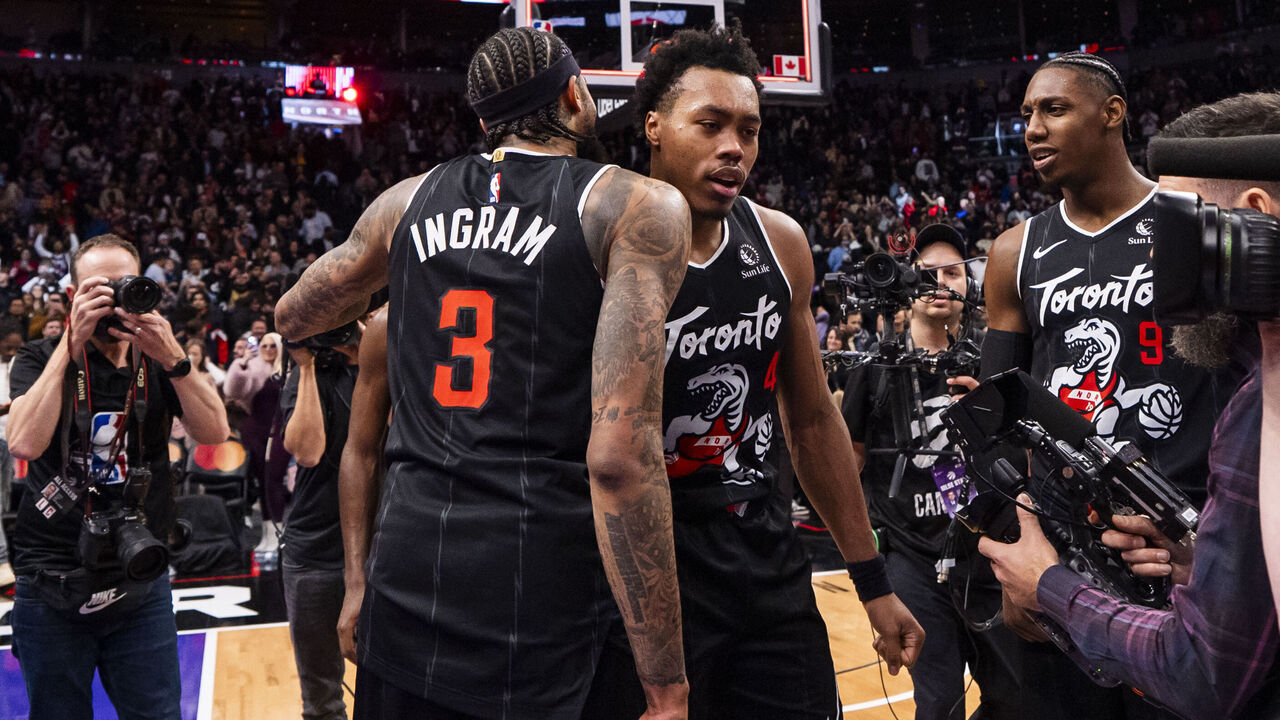
The team also lacks shooting. Though Ingram has been as good as anyone would've dared believe after they bought low on his injury-troubled career last year, the Raptors still don't have the kind of scorer who routinely takes over games, like Cavaliers star Donovan Mitchell (or even Harden, despite his share of playoff duds).
Ultimately, what's true of the Raptors as they try to win their first playoff series in six years is something that's been known about them for several seasons - ever since the team decided not to aggressively tank in pursuit of a star to pair with Barnes.
Toronto doesn't have a superstar of the one-name variety: no Luka, Wemby, Shai, Giannis, or, indeed, a Kawhi.
Does that make what's to come pointless? Or is there enough value in trying to put together a good team that wins more often than it loses and then takes a crack at a playoff run?
That largely describes the Raptors teams of a decade ago, and at the time, it was the franchise's high-water mark.
However, in today's NBA, just being good remains, to many, a sign of failure.
Scott Stinson is a contributing writer for theScore.