The make-or-break X-factor for every March Madness contender
With the college basketball calendar turning to February, we're gaining a greater understanding of which teams have a real chance to play deep into the NCAA Tournament and which teams are likely to fade away.
Though undefeated Arizona is firmly planted atop the field, a handful of squads can make noise if everything breaks in their favor.
Here's what each of the top teams in college hoops needs in order to go on a deep run and cut down the nets in early April.
Arizona: Interior dominance
The interior is the name of the game for the No. 1 Wildcats. They're top 35 nationally in 2-pointers scored and allowed and in the same tier for rebounds grabbed and allowed. You will not beat them on the inside, which makes them exceptionally hard to defeat in general.
Arizona also shoots threes at the fourth-lowest rate in the country, so the team is unlikely to suffer a surprise loss early in the tournament because of going cold from outside.
Michigan: Rim defense
You can't score on the inside against Michigan, either. The Wolverines are second in the nation in 2-point percentage and rim percentage defense, and they're sixth in blocks. On average, their opponents are attempting the longest 2-pointers in the country, according to KenPom. Teams don't even try to challenge their massive frontline of Morez Johnson Jr. and 7-foot-3 Aday Mara. Michigan suffered its only loss when Wisconsin hit 15 threes on 46% shooting.
Duke: Cameron Boozer
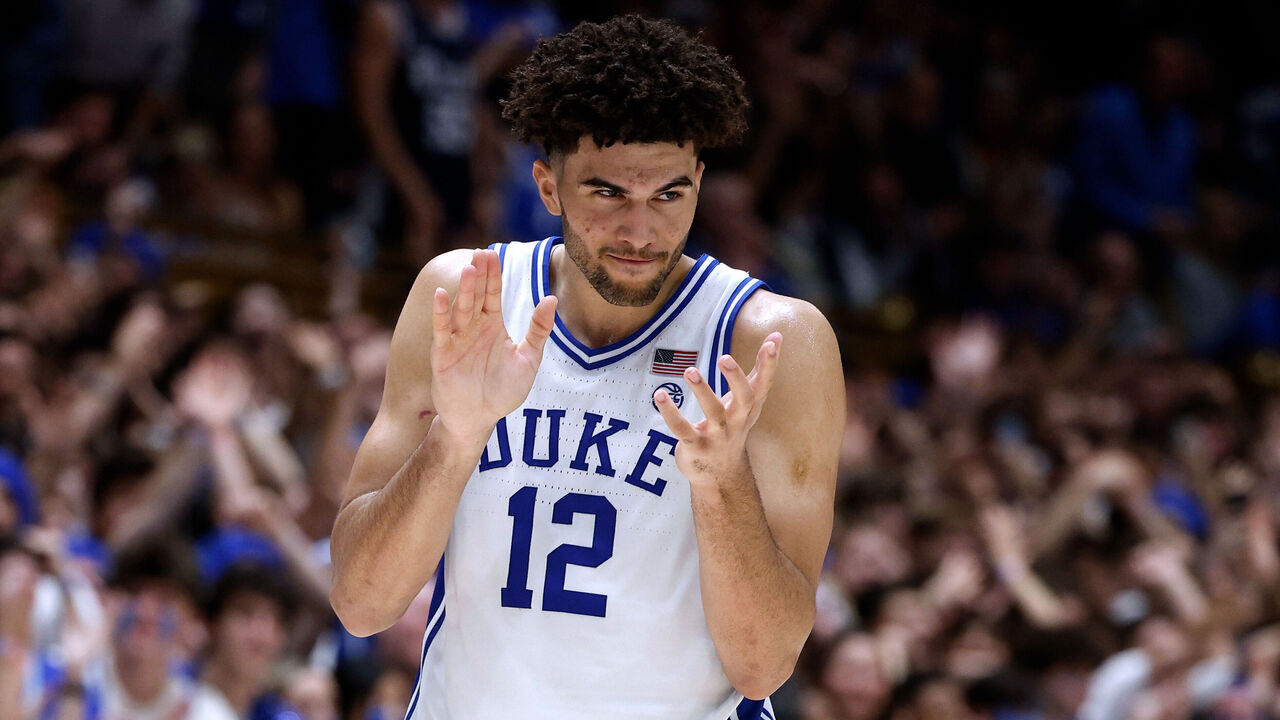
They might as well rename Cameron Indoor Stadium to Cameron Boozer Indoor Stadium considering the campaign that the freshman is having.
He's the clear front-runner for National Player of the Year and the country's most indispensable player, per EvanMiya.com. The Blue Devils will only go as far as their superstar can take them, since they lack a true second on-ball scoring option. If he has a rough outing in a big March Madness game, Duke could be sent packing early.
Illinois: Consistent shooting
The Fighting Illini are the country's No. 1-ranked offense in adjusted efficiency, but they're also No. 2 in the Big Ten in percentage of points scored from beyond the arc. That means their fortunes can be heavily dependent on whether their threes are falling.
Illinois is 7-0 against top 100 KenPom opponents when the team makes at least 35% of its 3-pointers and 1-3 when it doesn't. Whether the Illini are hot or cold in March could determine how deep a run they'll make.
Iowa State: A fourth option
There's a case to be made that Iowa State has the best Big Three in the country with Tamin Lipsey, Milan Momcilovic, and Joshua Jefferson, but the rest of the roster has fallen behind in Big 12 play.
Those three stars have a combined 337 points in conference games; the rest of the team has 200. In the Cyclones' stunning upset by Cincinnati, Iowa State players outside that trio combined for 13 points, two assists, and seven turnovers.
Houston: Defensive consistency
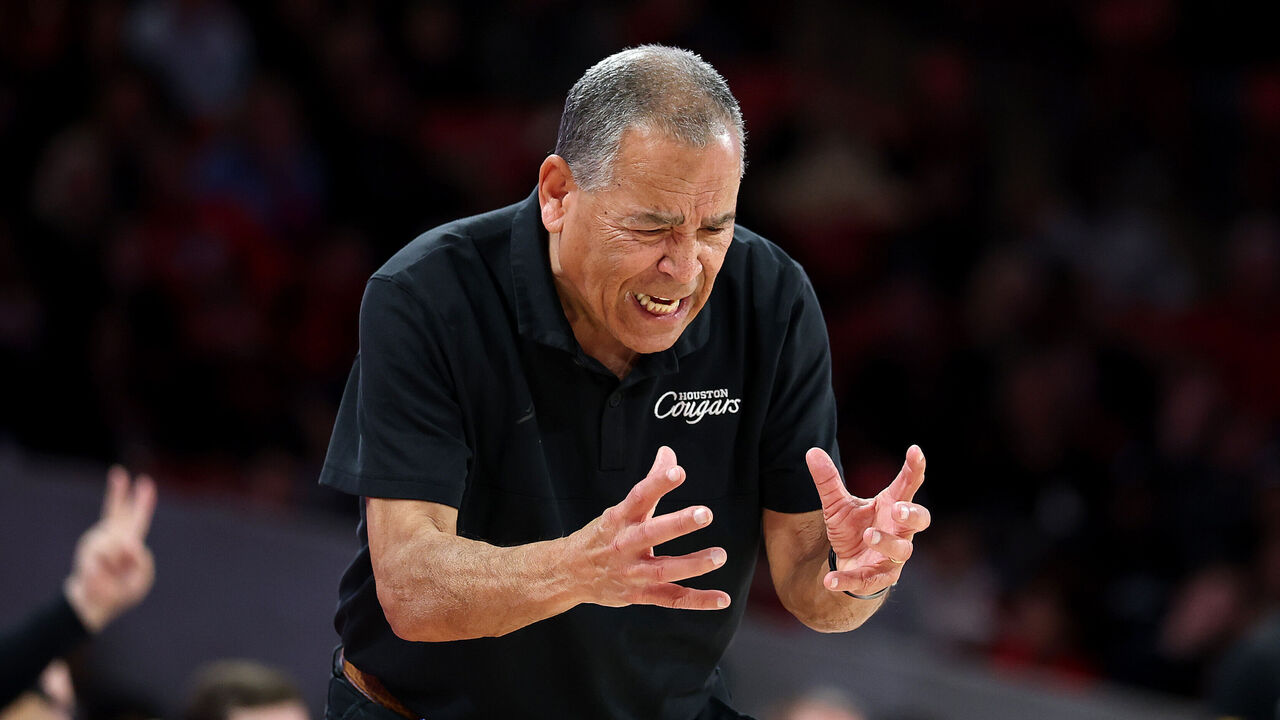
Kelvin Sampson has rightfully earned a reputation as one of the best defensive coaches in the country during his time at Houston. If the Cougars' keep their current ranking as the No. 9 defense, however, it would be their worst finish in six seasons.
Houston's already allowed more than 1.25 points per possession in two losses this year; previously, the Cougars' defense had only done that three times since 2018.
Michigan State: Balanced scoring
Teams don't always need a true on-ball star to compete for a title. That's good news for Michigan State, which doesn't have one. No player is averaging more than 14.1 points or 9.1 shot attempts per game.
In fact, the Spartans are at their best when the scoring load is shared. Their two losses this year happen to be the two games where only three players scored more than six points.
Florida: Shooting
This one is simple. The reigning national champions are 344th in 3-point shooting this season at 29%. In their six losses, the Gators shot 40-of-153 from deep (26.1%). This team is unbeatable when the ball goes through the hoop. If guards Boogie Fland and Xaivian Lee can find any consistency from deep, Florida will be a clear front-runner to repeat.
Purdue: Trey Kaufman-Renn
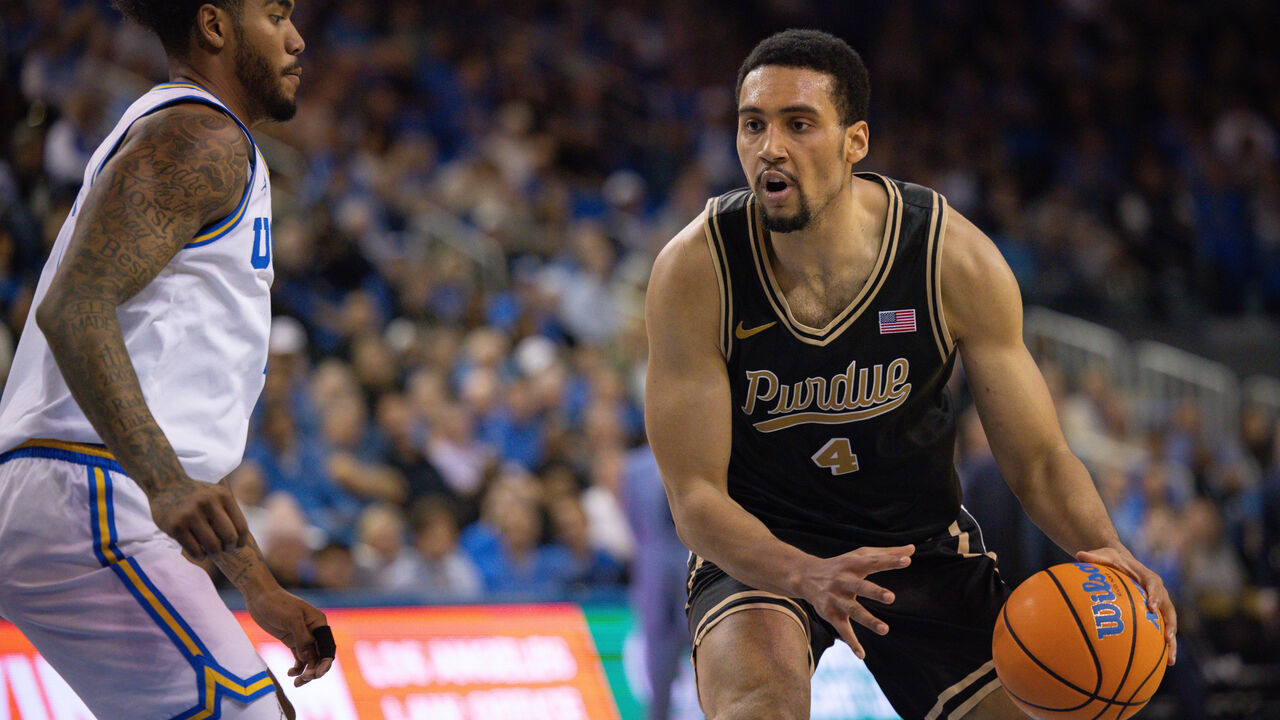
The Boilermakers have the nation's best point guard in Braden Smith, but the players around him have been hit-or-miss. Starting forward Trey Kaufman-Renn had 19 games with 20-plus points last season, including five of his final six games. In Purdue's recent loss to Indiana, he reached 20 for the first time this season. The Boilermakers will only reach their potential if TKR reclaims his spot as a superstar.
Gonzaga: Staying focused
The Zags are one of the few teams that can match the physicality of Arizona, the size of Michigan, and the skill of Purdue. They have impressive double-digit wins against Alabama, Kentucky, and UCLA. But they haven't played a top 25 team since facing Michigan back in November, and they likely won't play another one until the Sweet 16. Staying focused and ready for their high-profile matchups will be the key for this deep veteran group.
Nebraska: The 3-point line
The Cornhuskers take 51% of their shots from deep and allow their opponents to take 49.7% of their shots from beyond the arc, both among the highest rates in the country. While the Cornhuskers are very good at both shooting and defending the long ball, this approach also opens the door for wild variance losses where they go ice-cold from deep and their opponent can't miss. Nebraska will need to avoid a game like that in the Big Dance.
Vanderbilt: Play to its strengths
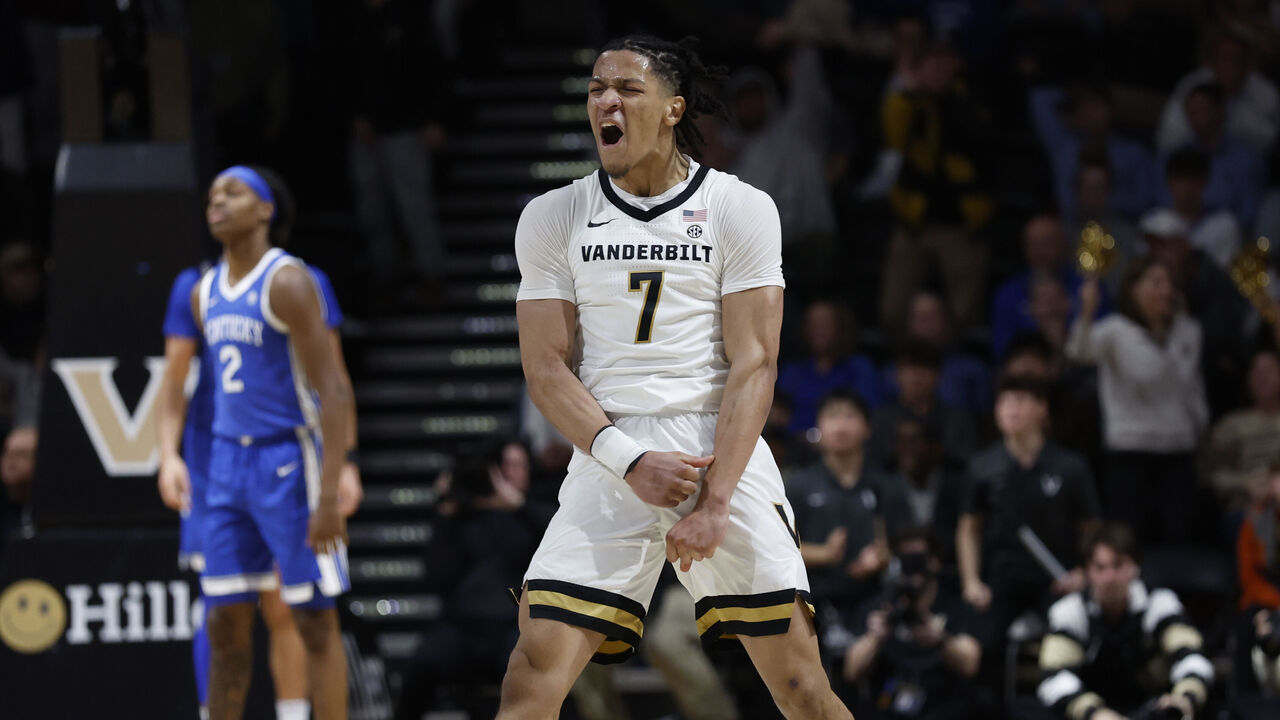
One of the season's most pleasant surprises, Vanderbilt was 16-0 before a recent three-game losing streak. This is not a perfect team; the Commodores are small down low, making them susceptible at the rim and on the boards. But their real issue in those losses was failing to dominate the 3-point line or turnover battle, two of their biggest strengths. Despite the Commodores' flaws, they're very hard to beat when they're playing their game.
UConn: Offensive ceiling
Two-time national championship-winning head coach Dan Hurley has earned a reputation as a rugged defensive coach with a well-schemed offensive system. This season, things are only clicking on one side of the ball. The Huskies' point guards have been hesitant shooters, and high-volume sniper Solo Ball is in a season-long slump. They're not pouring it on: They sit 181st nationally in runs of 10-0 or better after being fifth when they won that second title.
Kansas: Darryn Peterson
Dealing with a lingering hamstring injury, superstar freshman Peterson has only played 10 of a possible 20 games this season. Kansas has been solid without him - especially defensively - but having the potential No. 1 pick on the floor in full health when it matters most is what gives this squad title-contending upside.
BYU: Everyone but AJ Dybantsa
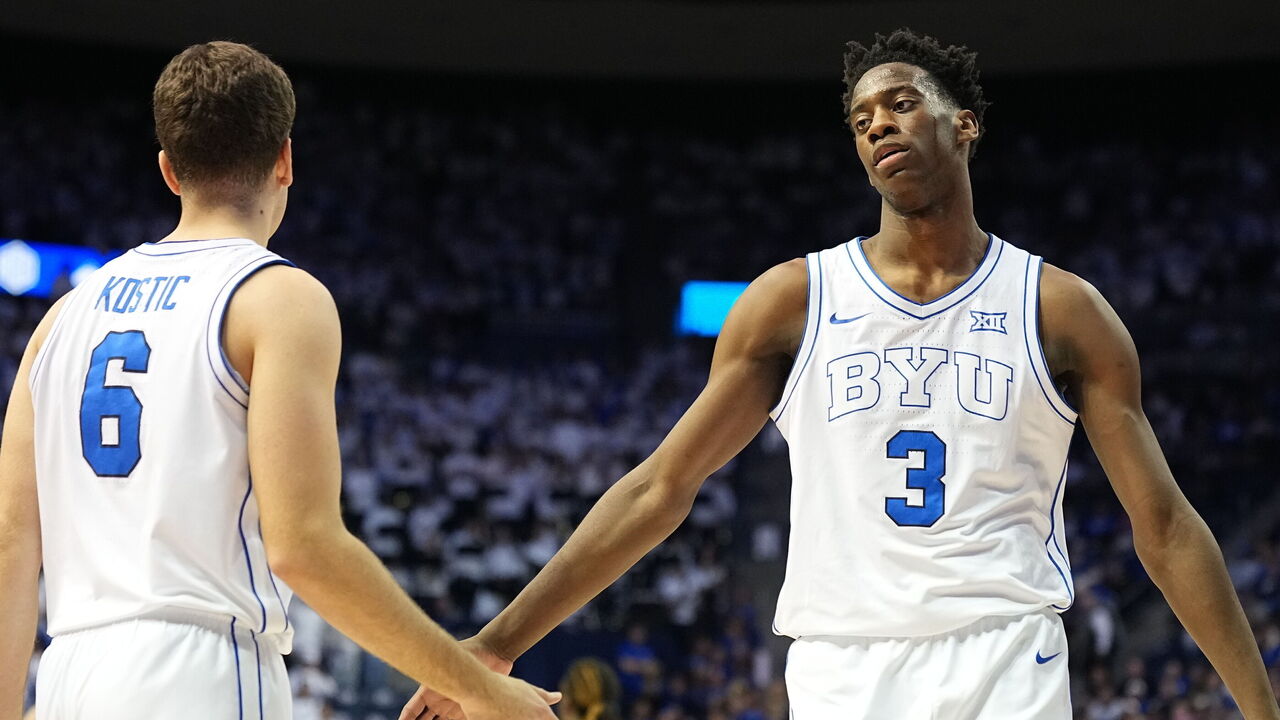
The other likely candidate to become the top NBA selection, Dybantsa has consistently been on the floor - and has consistently produced - for the Cougars. The question is who else will step up. The bench has been weak all year, and starting point guard Rob Wright had his worst game of the season in Monday's loss to Arizona.
Alabama: Availability
Only reserves Houston Mallette and Noah Williamson have played in all 20 games for Alabama this year. Key cogs Aden Holloway, Amari Allen, and Latrell Wrightsell have dealt with nagging injuries for the bulk of the season. Big man Charles Bediako could be ruled ineligible at any moment in his unprecedented attempt to return to college basketball despite leaving school and entering the 2023 NBA draft. Alabama needs to have enough productive, healthy bodies down the stretch to compete.
Texas Tech: Bench help
The Red Raiders have only received 18.8% of their total minutes from their bench this year, the lowest mark among high-major teams. As good as JT Toppin and Christian Anderson may be, a starting unit isn't enough to win the NCAA Tournament by itself. Villanova transfer Josiah Moseley's healthy return against Houston was a step in the right direction. It'll be critical for the team's depth to develop more confidence as the season reaches its later stages.
Arkansas: Playing away from home
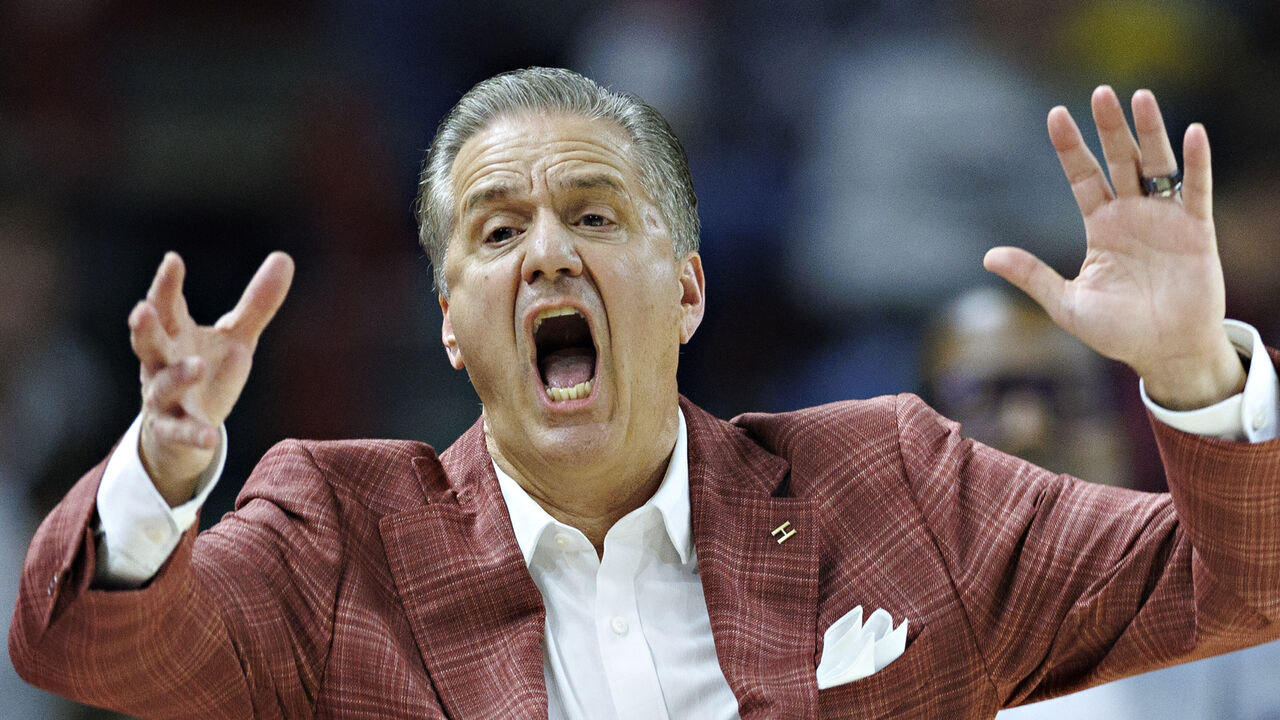
None of the NCAA Tournament games will be at Arkansas' home arena, which is a tough blow for this Razorbacks team. They're 13-0 at home, highlighted by a 25-point victory over Vanderbilt, but 3-5 on the road, with none of those wins coming by more than seven points.
North Carolina: 3-point defense
It's very hard to shoot 50% from deep in a college basketball game, and yet it's been done four times this season against North Carolina. Not coincidentally, those represent the team's only four losses. That's a pretty high floor for the Tar Heels, but they need to do a better job of contesting the long ball. They're allowing opponents to convert at a 41.3% clip from deep in conference play, which is last in the ACC.
Saint Louis: Believing in Cinderella
Of all the non-Gonzaga mid-major teams, 20-1 Saint Louis has the best chance to become a true national title threat. In an era of college sports where it's increasingly difficult to win at a lower level with a smaller budget, can Saint Louis stick it to the big guys and accomplish what many believe is no longer possible?
Matthew Winick is a college basketball analyst and consultant. You can find his work on X at @matthewwinick.
HEADLINES
- Duke star freshman Cam Boozer named AP Player of the Year
- What's really on the line for each Final Four team?
- Michigan's 'Fab Five' will reunite on Final Four alternate broadcast
- Final Four odds: Michigan, Illinois favored to meet in national championship
- Report: Kansas' Bidunga declaring for draft, entering portal