Should your cash game and GPP lineups really be that different?
Follow theScore's fantasy feed on Twitter (@theScoreFantasy) for the latest news, features and more.
Cash and GPP formats come with vastly different rewards, which often leads to divergent strategies for each. But does that mean your overall lineups should be drastically different? At the end of the day, you're simply looking for the player who produces the most fantasy points at each position, and that won't change depending on which format you play.
So, why should your rosters be that different?
Well, there are a few valid answers to that question. At the same time, though, the two formats do share a few similarities.
Similarities
To start, there are some similarities worth conceding. Firstly, the goal of rostering the highest scoring player at each position doesn't change. Of course it is desirable to select the top player across the board and do it all within your DFS salary restrictions. But if you were able to do that, you would already be a millionaire.
Additionally, certain players are suitable for both formats. A select few carry high floors and ceilings; unfortunately, they also come with a high price tag. So while Aaron Rodgers is fit for any format, rostering him at any given opportunity will hinder your ability to form a more complete lineup.
Another overarching similarity is the concept of player value. Finding high value picks, or players that return the most points relative to their salary, is a driving force in DFS roster construction. Considering the role it plays in any DFS format, the concept is worth a bit of a deeper dive.
Value transcends format
Value is a relatively simple concept. The idea is to maximize points on a per dollar basis. If you can identify and predict players who return more points per dollar, you're going to make roster construction much easier.
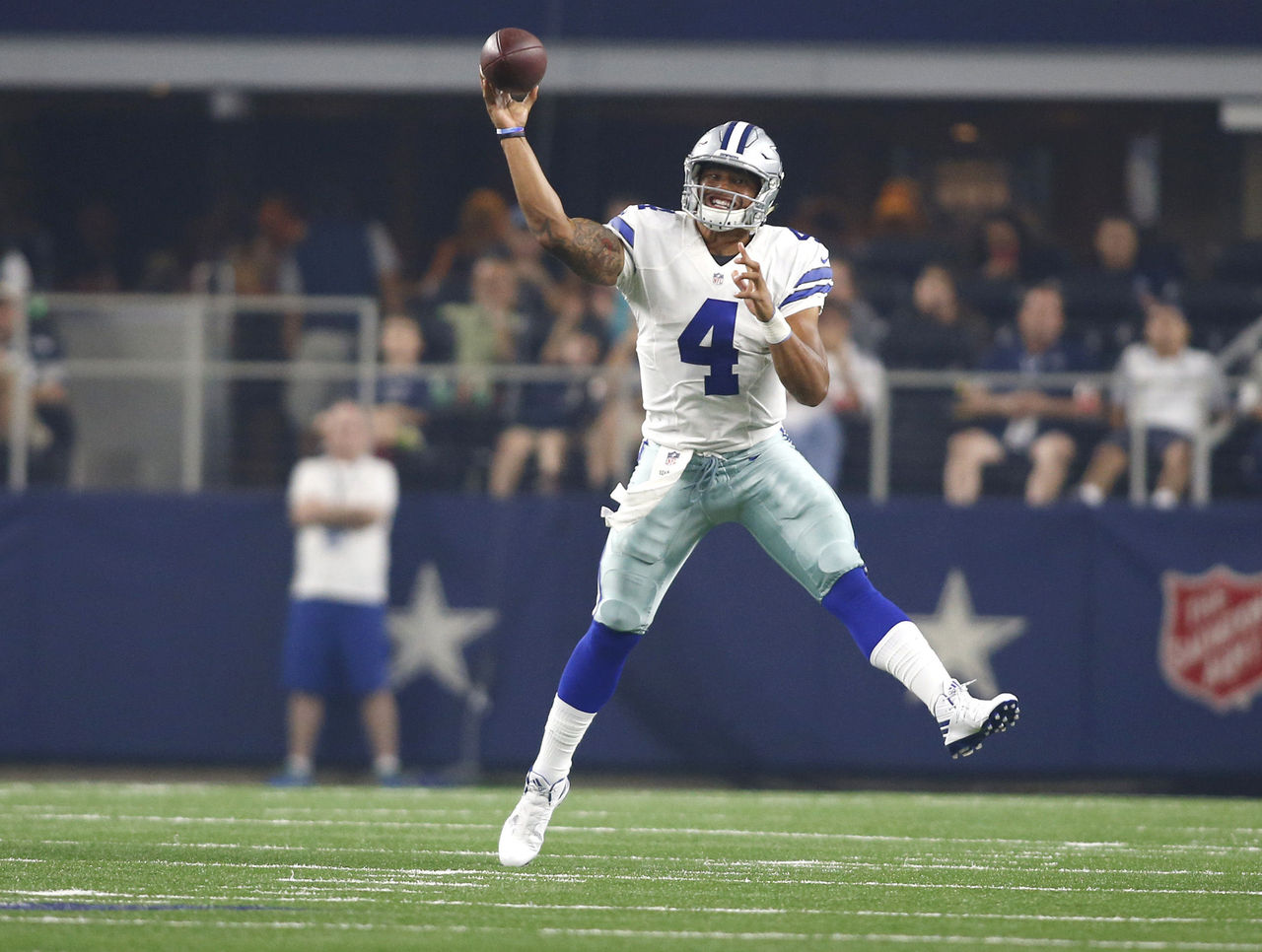
Dallas Cowboys QB Dak Prescott is an obvious example of great value available in Week 1. Priced as a backup QB but set to assume the starting role, Prescott's simple volume of opportunity will make it a walk in the park to return solid value.
Assuming a pedestrian stat line of 200 passing yards and a touchdown, Prescott will still wind up fit for either format. That fantasy output doesn't scream cash or GPP mainstay, but the money saved is his true appeal.
With the cash saved by rostering a value play, DFS players end up with plenty of leeway throughout the rest of their lineup. In a GPP, they can spend on high upside players, while cash gamers can improve at a variety of positions.

Rostering a contrarian
One of the most notable GPP strategies and differences between cash and GPP is the use of a contrarian play. A contrarian is a player who is likely to see low levels of ownership due to any number of factors. A GPP lineup should include one or two of these players to separate itself from the pack.
Low-owned players who go off give those who roster them an enormous advantage in tournament play. Consequently, a GPP lineup consisting of popular picks will have a hard time bypassing the tens of thousands of similarly-constructed entries. GPP formats only reward a select few finishers, so having a roster full of chalk plays won't lead you to victory.
Though contrarians can still function well in cash games because of their low ownership, there is much less necessity to roster them. Cash games require entrants to finish in the top-half of the pool and so separating oneself from the masses is much less valuable.
The ceiling of boom-or-bust
Boom-or-bust players can be instrumental to GPP success because of their potential for big performances. These players are often used by their respective offenses in ways that provide major upside, but, on the other hand, are a risk to produce absolute zeros.
While rolling the dice on a player of this nature should be a no-go in cash games, this type of risk is needed in GPP formats. With tournament prize structure rewarding only the top few finishers, entrants should be rostering players that can provide massive point totals. Settling for a finish inside the top 50 percent won't be anywhere, if at all, as rewarding in GPP formats.
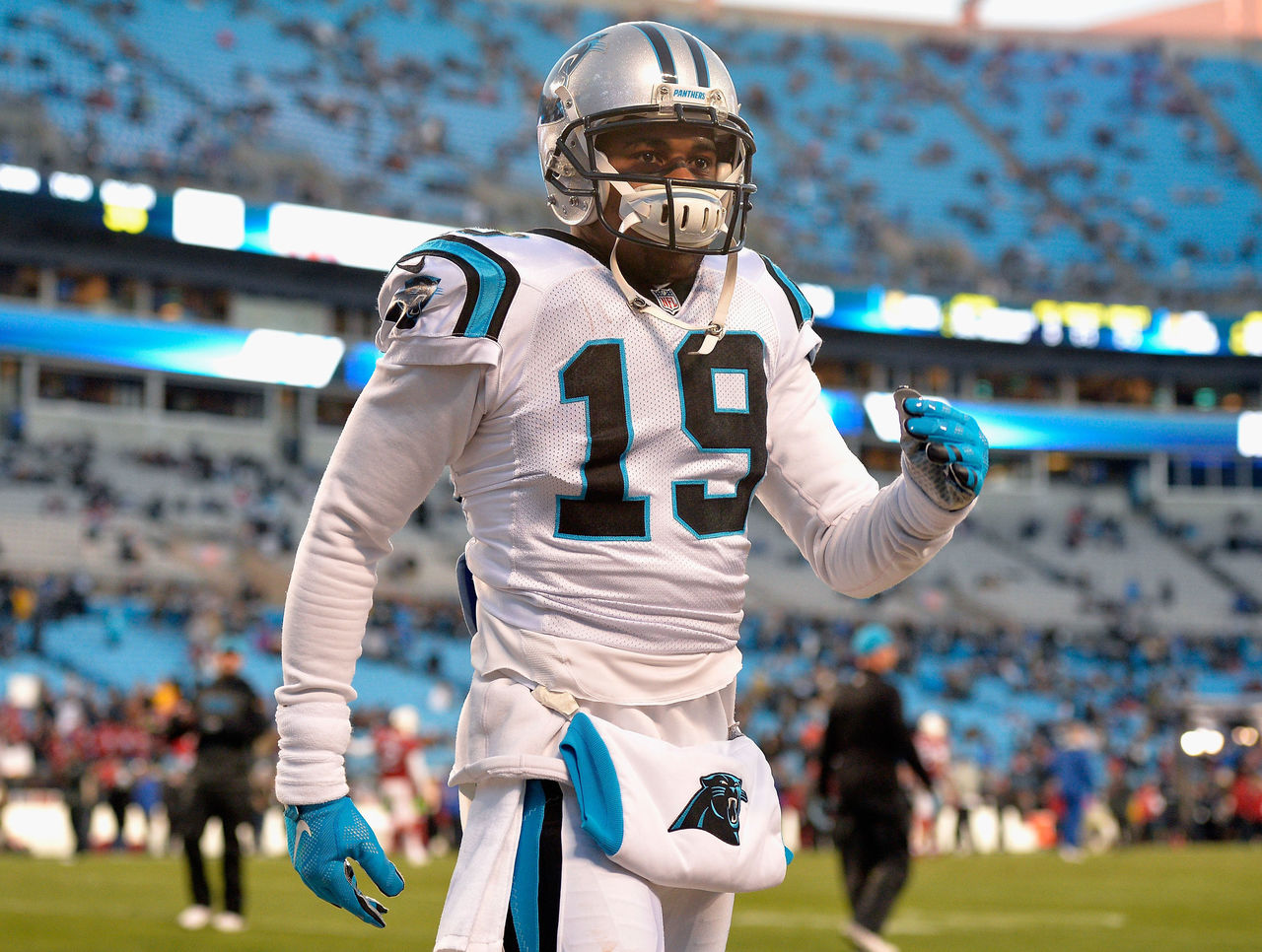
Deep threat receivers best embody this type of production. These receivers sprinkle big games between weeks of empty production. WR Ted Ginn highlighted this style last season, putting up 10 or more fantasy points in seven games and 20 or more in three games, but also producing under seven fantasy points in another seven outings.
The volatility associated with this type of production needs to be avoided in cash games, but it's what GPP contests can often be won with.