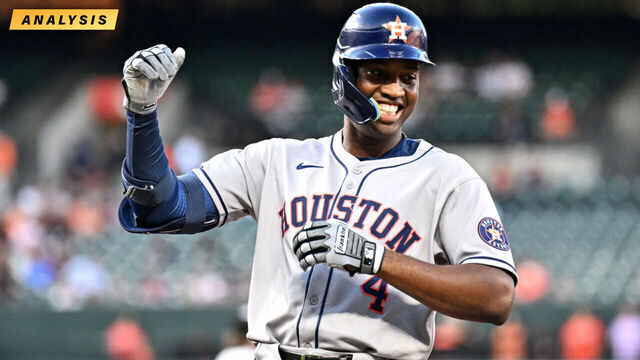
The MLB offseason is underway. Follow along for analysis of all major transactions over the winter.
Jump to:
Justin Verlander I Caleb Durbin I Marcell Ozuna I Framber Valdez I Eugenio Suárez I Brendon Donovan I Jordan Hicks I January I December I November
Feb. 13
Blue Jays add power bat Sánchez after Santander injury
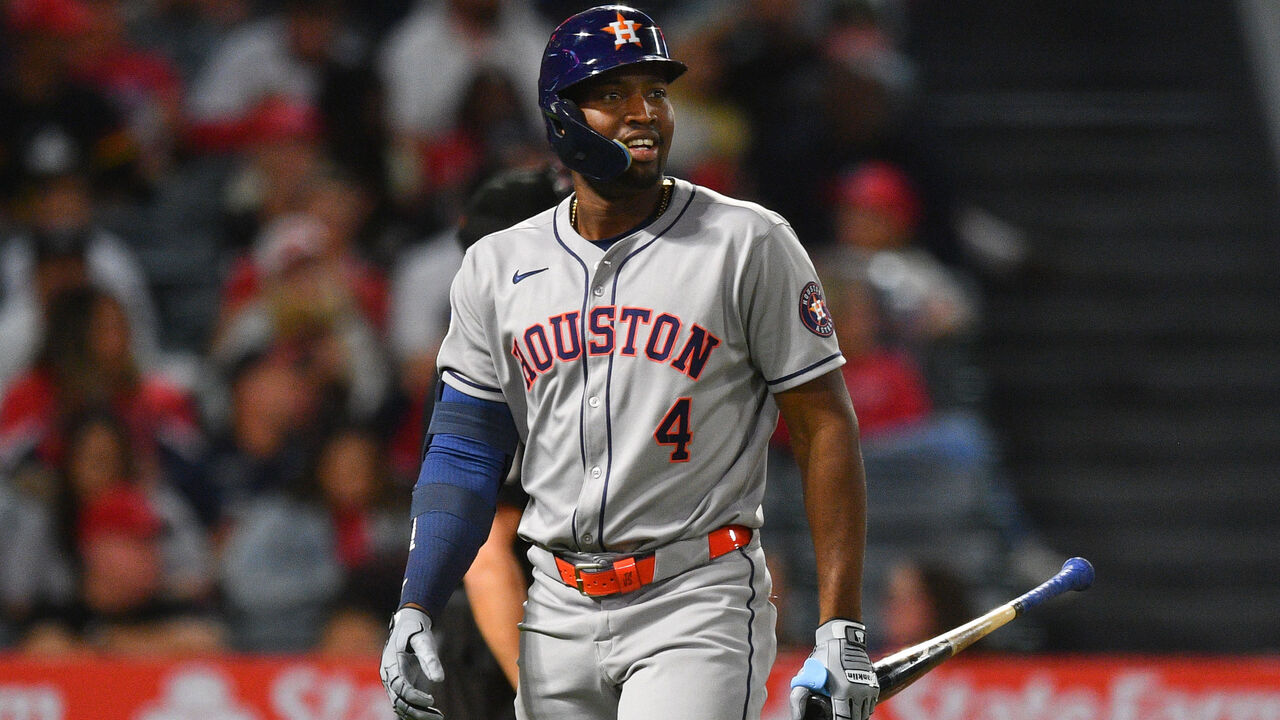
What it means for Blue Jays: General manager Ross Atkins waited only three days to add another power bat to the lineup after the news that Anthony Santander would miss a significant portion of the 2026 season following shoulder surgery.
Jesús Sánchez is certainly an intriguing player to bring into the mix and represents the type of low-risk, high-ceiling potential the Blue Jays have been known to target. The 28-year-old should be used strictly in a platoon role against right-handed pitching and will likely split time in the corner outfield with Davis Schneider and Myles Straw. Sánchez owns a career .774 OPS and 111 wRC+ against righties, compared to a .520 OPS and 41 wRC+ against southpaws.
Sánchez is coming off a down season in which he split time between Miami and Houston, where he slashed .237/.304/.395 with 14 home runs and 13 stolen bases. The Blue Jays will hope that hitting coach David Popkins can unlock more of his power through some swing adjustments, and there's certainly a solid base and plenty of athleticism to work with. Sánchez ranked in the 93rd percentile in bat speed last campaign and is a year removed from posting elite exit velocity and hard-hit numbers. However, Sánchez's approach can often lead to swings and misses when he's crushing the ball. Popkins will be tasked with finding a balance between getting more power and not abandoning his plate discipline.
The addition of Sánchez, who's out of minor-league options, puts Nathan Lukes' role with the team into question. With Kazuma Okamoto expected to receive most of the reps at third base, Addison Barger will play almost exclusively in the outfield. Injuries have a way of sorting things out during spring training, and we've already seen how quickly things can change following the Santander news. The Blue Jays may just see how the situation plays out over the next month ahead of Opening Day.
There will likely be times when Sánchez is frustrating. He can have defensive lapses and make questionable decisions in the field. Sánchez also strikes out at a relatively high clip, though he cut his strikeout rate down to 22.1% last season after reaching 26.1% in 2024.
Overall, Sánchez is an established major leaguer who offers a lot of potential if Toronto uses him in the right situation, and he comes with an additional year of control. Considering the acquisition cost was minimal, this was a no-brainer for the Blue Jays.
What it means for Astros: Sánchez never really fit in Houston after coming over from the Marlins at the trade deadline, and this trade was about moving a $6.1-million salary out more than anything.
With Sánchez off the books, expect the Astros to keep looking to address their position player core. The bottom of the lineup is quite thin, and the team still needs to figure out whether it can trade one of Isaac Paredes or Christian Walker. Dana Brown said the club isn't done, and looking at the lineup, it's clear there's still a lot of imbalance.
In Loperfido, the Astros get a serviceable depth outfielder who has minor-league options. Having drafted him in 2021, the organization is also familiar with him. The 26-year-old can play all three outfield positions and has experience at first base. Loperfido put up solid numbers over 104 plate appearances with the Blue Jays last season, hitting .333/.379/.500. However, those numbers were propped up by a .431 BABIP, while he also still struck out 26% of the time.
Loperfido gives Houston a versatile player making the league minimum who's likely a better option at the major-league level than anyone at the top of what's a depleted farm system. How Brown uses these cost savings will determine how this trade is really evaluated.
Feb. 10
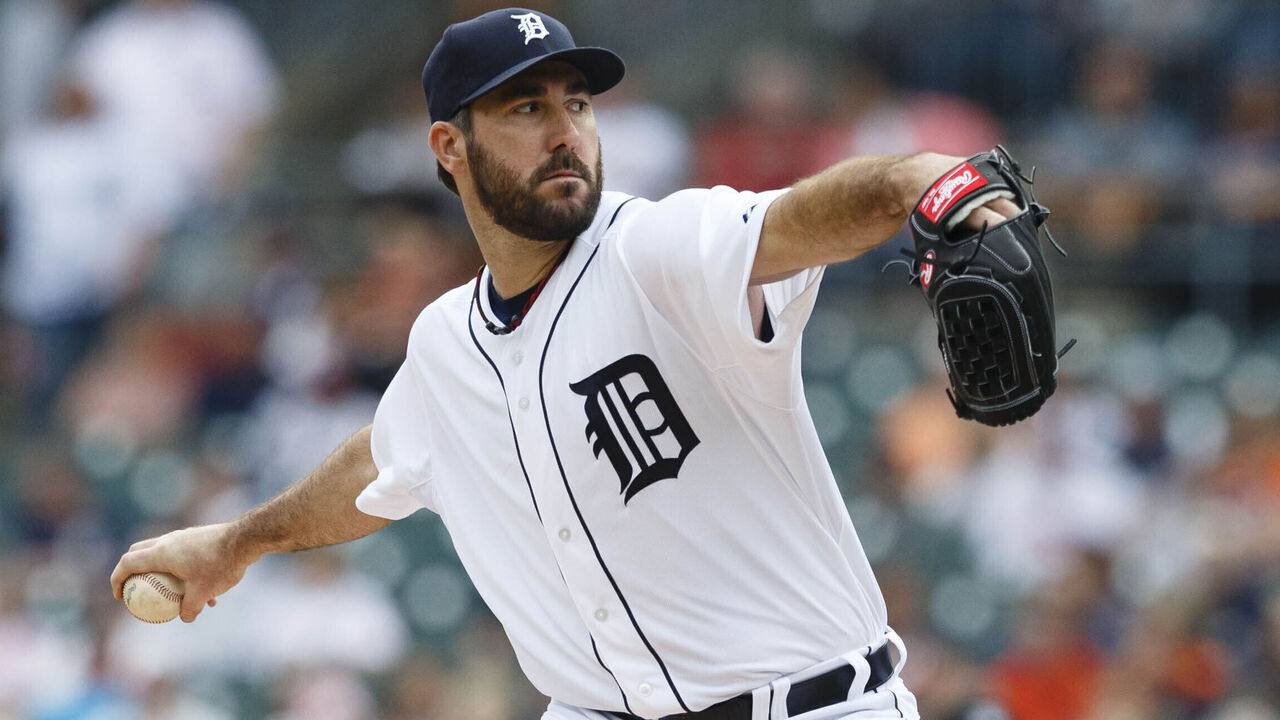
Verlander goes back to where it all began
✍️ 1-year, $13M contract
What it means for Tigers: Justin Verlander returning to Detroit is probably the coolest transaction of the offseason.
This isn't just a symbolic reunion, either. Verlander demonstrated last season that he's still got plenty in the tank at 43 years old. After allowing 14 runs through his first four starts with the Giants, Verlander posted a 3.44 ERA over his final 25 appearances. He was even better down the stretch, pitching to a 1.96 ERA with 38 strikeouts across his final 41 1/3 innings.
Verlander remains exceptionally durable. His 29 starts in 2025 would have ranked third on the team. If he can give Detroit even 25 starts and 150 innings, it should be viewed as a major win. Beyond the on-field contributions, having the three-time Cy Young winner in the clubhouse benefits not only staff ace Tarik Skubal but also offers invaluable mentorship to Casey Mize and, eventually, Jackson Jobe.
Feb. 9
Red Sox add Durbin to infield mix in 6-player trade with Brewers
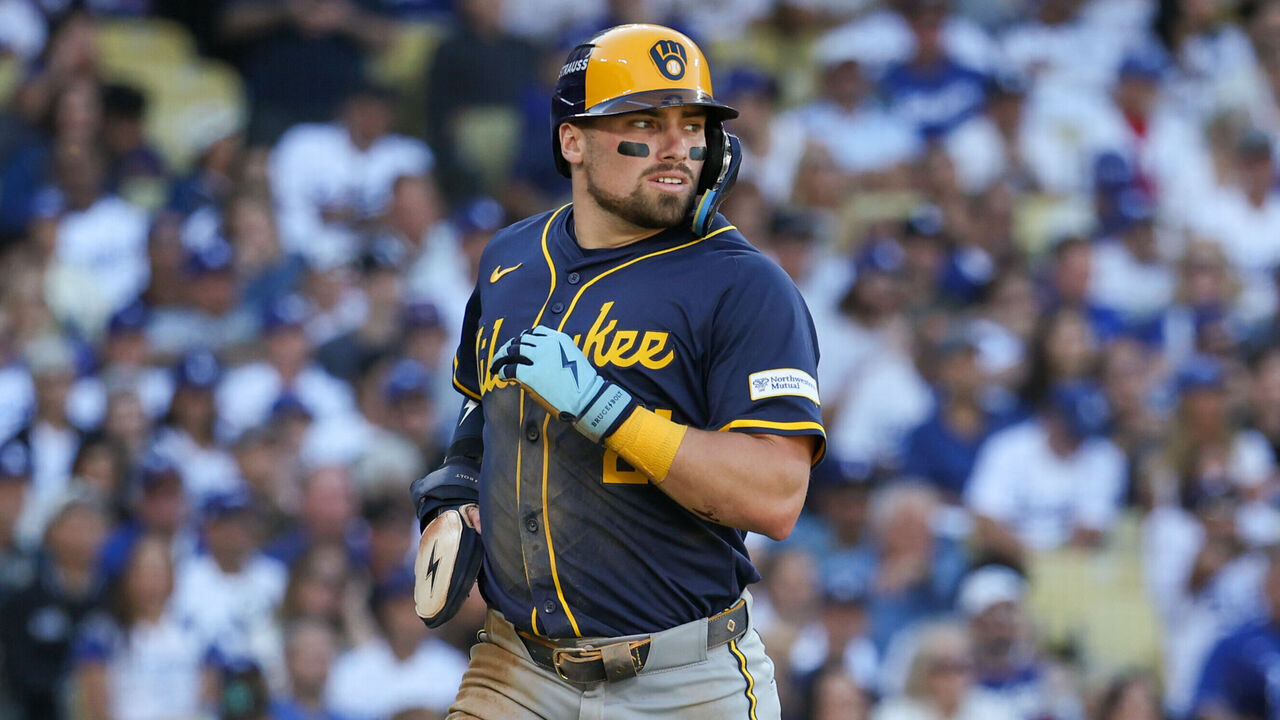
What it means for Red Sox: Craig Breslow entered the winter saying the Red Sox were looking to land two impact power bats. In the end, it appears they'll open camp with Willson Contreras, Caleb Durbin, and Isiah Kiner-Falefa as their position player adds. That's an underwhelming development.
With that being said, the Durbin trade actually makes a lot of sense for the Red Sox, even if he isn't the middle-of-the-order bat the team needs. The 25-year-old is coming off a third-place finish for NL Rookie of the Year and gives Boston a much-needed right-handed hitting infielder who can move around the diamond. Durbin isn't an elite defender, but he's a capable one, and his offensive profile should complement the lineup. He ranked in the 99th percentile with a 9.9 K% last season, while his tendency to pull the ball should result in more extra-base hits moving to Fenway Park.
Durbin needs to generate offense in different ways given his small stature (5-foot-7) and an inability to make hard contact. He ranked in the sixth percentile or lower in bat speed, hard-hit percentage, and average exit velocity during his rookie year, so don't expect him to be crushing the ball. Instead, he'll use his plate discipline and speed to stay in the lineup every day. Monasterio and Seigler each have minor-league options and will likely serve as versatile infield depth options.
The Red Sox turning their depth into a piece like Durbin should be considered a win. The front office never appeared sold on Kyle Harrison as a viable rotation option last season, even when it needed starting pitching help. Meanwhile, David Hamilton became expendable once it became clear that the team required right-handed hitting infield assistance. Boston avoided giving up anyone who projected to make a meaningful impact in 2026 while acquiring someone who will potentially play every day.
Durbin's addition likely ends the Red Sox search for a position player. It's fair to question if there's enough power in the lineup, and that puts enormous pressure on Roman Anthony, Wilyer Abreu, and others. Bounce-back seasons from Kristian Campbell and Triston Casas would go a long way in making the offense much more potent.
With Harrison gone, the Red Sox have now traded away three of the four players they received in exchange for Rafael Devers. Clearly, Boston's primary motivation in trading the star third baseman was to get out from his remaining contract.
What it means for Brewers: Milwaukee will hope it has as much success with Harrison as it did when it landed Quinn Priester in a trade with Boston last spring. Despite making his MLB debut in 2023 and having 42 big-league appearances under his belt, Harrison is still just 24 years old and has five years of team control.
The left-hander spent the bulk of 2025 in Triple-A, posting a 3.75 ERA, 1.60 WHIP, and 50 strikeouts across 50 1/3 innings. He allowed only five home runs, but his 4.8 BB/9 was an area of concern. He then surrendered four runs over 12 innings with 13 strikeouts after being called up in September. The No. 18 prospect in MLB in 2023, Harrison has yet to put it all together, but if any team can get the best out of him, it's likely the Brewers, given their track record.
Milwaukee's put together a really nice young rotation, and Harrison will slot in as additional depth with a shot at cracking the Opening Day roster. Even with the loss of Freddy Peralta, the club's starting pitching options are deep. We'll see if the Brewers use some of that depth to help a position player group that was thinned out by this deal. Durbin and Seigler made up 85% of the team's at-bats at third base last season. Hamilton, whom the Brewers drafted in 2019, should be used as a platoon piece rather than an everyday player. The trade also opens the door for Jett Williams to play a legitimate role on the team should he have a good spring.
Pirates keep adding power to lineup with Ozuna signing
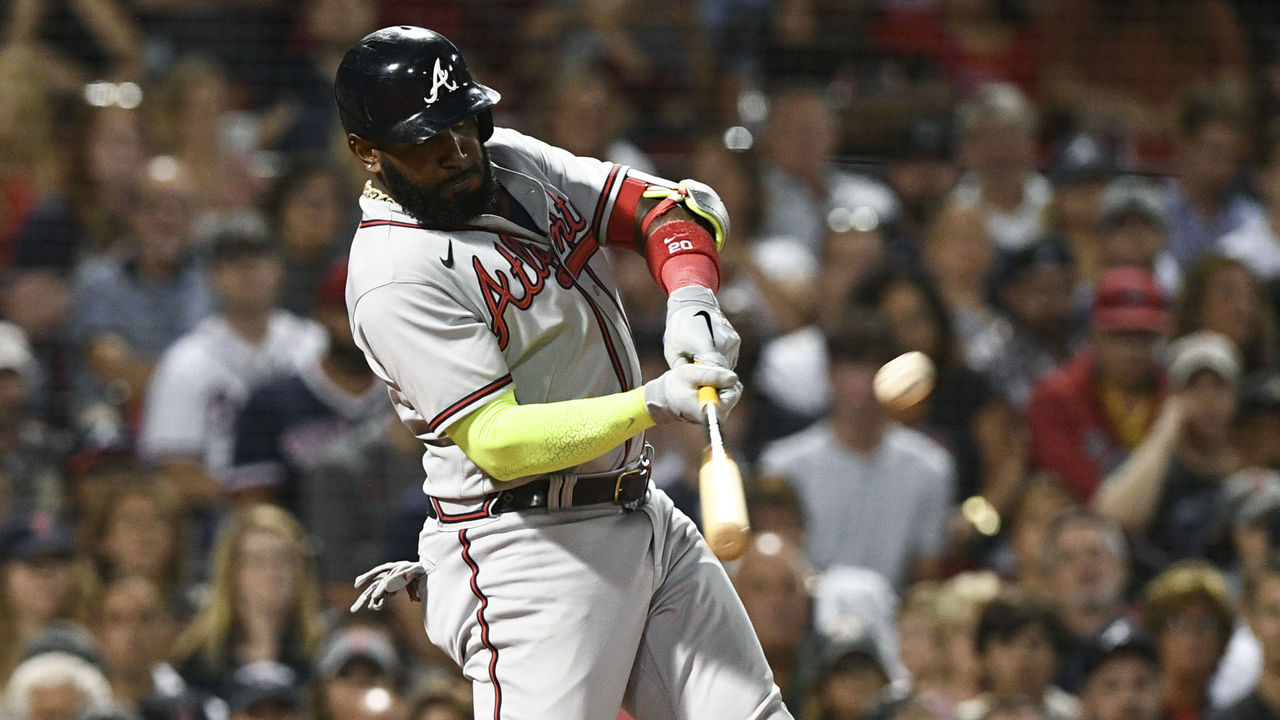
✍️ 1-year, $12M contract
What it means for Pirates: Ben Cherington delivered on his promise to add more power to the lineup with the additions of Marcell Ozuna, Ryan O'Hearn, and Brandon Lowe. The trio combined for 69 home runs last year and will be a welcome addition for a club that finished last in homers in 2025.
From 2023-24, Ozuna hit 79 home runs while posting a .916 OPS across 306 games. Although his numbers dipped last season, he still managed 21 home runs and a .756 OPS over 145 contests. The regression was partly due to the decline of his exit velocity, hard-hit percentage, and bat speed. With Ozuna entering his age-35 campaign, those numbers will likely continue to drop, but he should remain a productive hitter in the short term. Regardless, he's a better offensive player than any of Pittsburgh's internal options, and getting a bat of Ozuna's caliber at this point in the offseason should be viewed positively.
At this stage of his career, Ozuna will almost exclusively be used as a DH, meaning another reunion between Pittsburgh and franchise legend Andrew McCutchen no longer appears viable. The Pirates aren't a true contender yet, but they'll be a difficult team to face and should be in the hunt for a wild-card spot if all goes well.
Feb. 4
Tigers make surprise splash for Framber Valdez
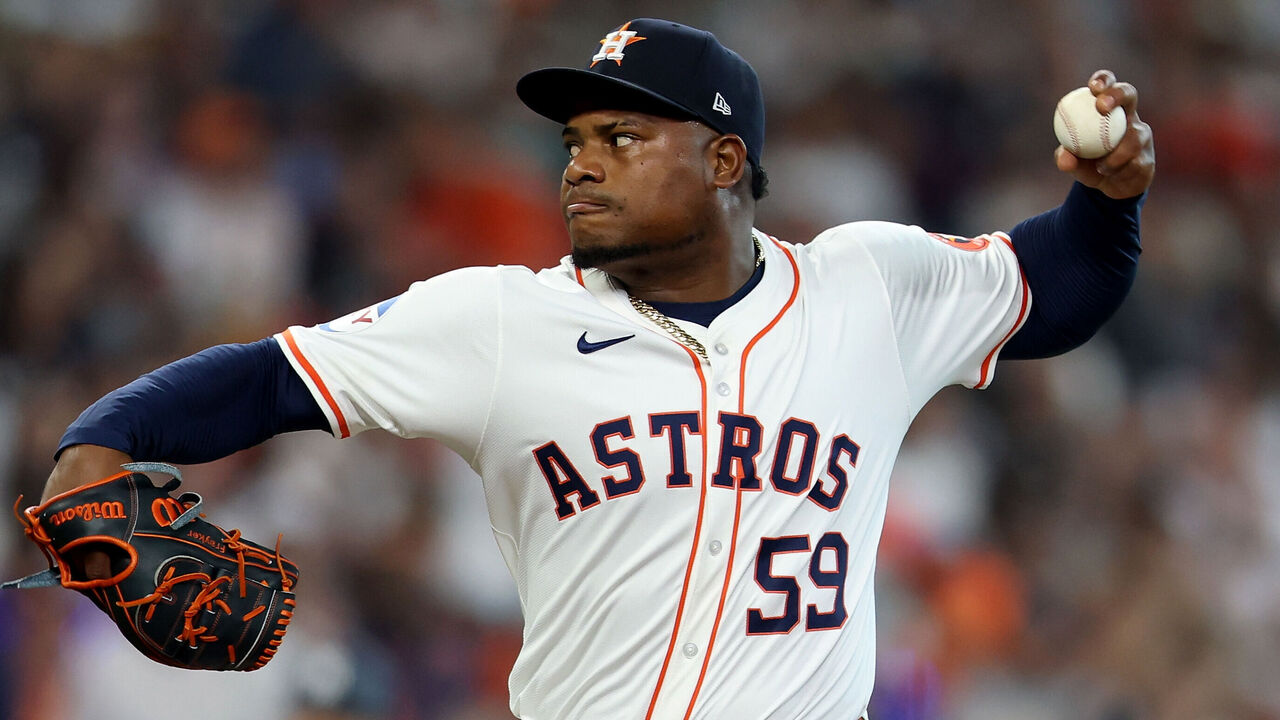
✍️ 3-year, $115M contract
What it means for Tigers: Well, that's certainly interesting timing. Hours after the club wrapped up its arbitration hearing with two-time Cy Young winner Tarik Skubal, Detroit reportedly agreed to a three-year, $115-million deal with left-hander Framber Valdez. The addition is massive - and a huge surprise signing - for a Tigers team that needed another impact starter.
Due to the $13-million difference in potential salary in 2026, many expected the Tigers to wait to sign another pitcher until a verdict was reached in Skubal's hearing. Clearly, Detroit will make it work regardless of the outcome. If Skubal wins his case, the Tigers will have two pitchers making at least $30 million this season. If the team prevails, its most valuable player will have the fourth-highest salary on the roster, taking home less than half of what his newest teammate is making. That's a bit uncomfortable.
There's a scenario now - as unlikely as it might be - where the Tigers entertain moving Skubal before spring training opens. The arbiters' ruling will play a significant factor in any potential trade return, but Detroit could still get a haul for Skubal regardless. The front office should have a clear understanding of what Skubal will command in his next deal, and if the Tigers aren't willing to make a legitimate bid, they could bring in a number of pieces to help this current core long term - much like how the Brewers operate.
Although he's certainly not Skubal, Valdez being under contract through at least the 2027 season gives Detroit a starter at the top of the rotation if it moves on from its ace. However, handing Valdez a $38-million AAV and then showing Skubal the door would be an almost impossible sell to the fan base. As a result, the Tigers might just give it their best shot this season with a powerful 1-2 punch and figure out Skubal's future later. With both Skubal and Valdez, this club now boasts two of the eight pitchers who threw at least 190 innings last season.
While all that remains up in the air, the immediate takeaway is that the Tigers are much better now than they were yesterday. Valdez has been one of the top starters in the AL over the last four campaigns, posting a 3.21 ERA, 1.16 WHIP, 3.29 FIP, and 8.8 K/9 while averaging 30 starts per year. Last season was somewhat of a down year for him by his standards, as he recorded a 3.66 ERA and 1.24 WHIP across 192 innings. However, Valdez had a 2.97 ERA across his first 23 starts before struggling to a 5.83 ERA over his final eight outings. His 46.6% hard-hit rate was his highest in five years, though he should benefit from a solid defensive unit and a more spacious ballpark in Detroit. Since 2021, Valdez has led the majors with a 61.6% ground-ball rate (min. 500 IP), and his 0.7 HR/9 ranks third-best behind Logan Webb and Max Fried.
Valdez's character came into question late last season after an incident with his catcher, where he appeared to cross him up intentionally. Both players denied any wrongdoing, and the club didn't punish Valdez. Tigers skipper A.J. Hinch managed Valdez in Houston and likely advocated for his character before bringing him in.
We'll have to wait to see what - if anything - happens next for the Tigers, but as of right now, they're the early favorite to win their first AL Central title since 2014. Valdez's contract is $8 million more than what the rest of the division has spent combined on free agents this winter.
Feb. 2
Mariners fill huge infield hole in 3-team trade for Donovan
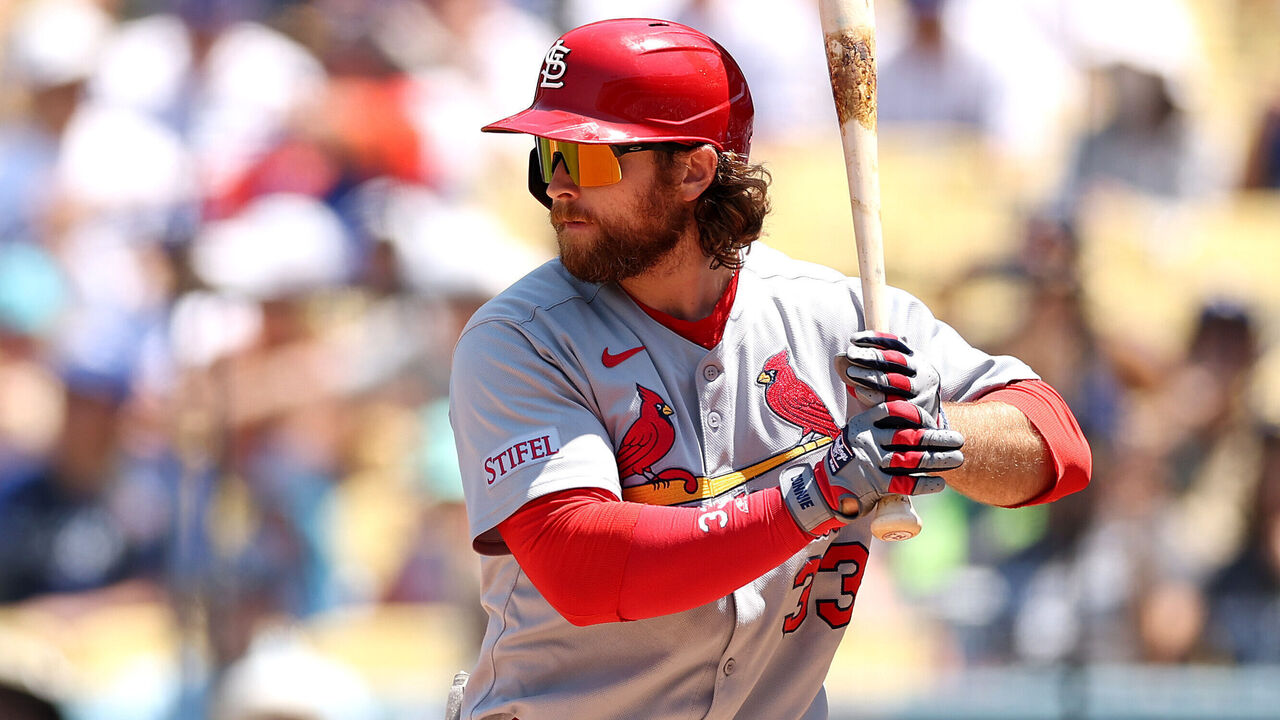
What it means for Mariners: Seattle looks poised to repeat as AL West champs after adding what's likely the final piece of a really solid offseason. Brendan Donovan isn't a superstar, but he's exactly what the Mariners needed, and gives them more certainty in the infield rather than relying on some of their younger internal options.
The 29-year-old can cover at second base, third base, and left field. He has the ability to hit at the top of the lineup and gives manager Dan Wilson another left-handed bat that can help balance the order. Donovan is coming off a season in which he hit .287/.353/.422 with 10 home runs, and 32 doubles, to go with a .775 OPS and 2.9 fWAR over 118 games. His 13 K% ranked in the 92nd percentile and would have been the best mark on the Mariners. Seattle's third basemen combined for 1.4 fWAR all of last season. While they did get great production from Jorge Polanco at second base, he's since signed elsewhere, making the Donovan addition that much more important.
Donovan's under team control for the next two seasons, fitting perfectly within Seattle's competitive window. His $5.8-million salary in 2026 is also relatively modest for his production. Donovan's addition takes a lot of pressure off needing young infielders Cole Young and Colt Emerson to contribute big this season.
What it means for Cardinals: Chaim Bloom's officially completed his offseason checklist by trading away Donovan, Sonny Gray, Willson Contreras, and Nolan Arenado. In doing so, Bloom has added MLB Pipeline's 90th-ranked prospect in Cijntje, two MLB-ready pitching prospects in Richard Fitts and Hunter Dobbins, and another intriguing arm in Brandon Clarke. Meanwhile, Peete was a first-round pick in 2023, while Ledbetter went 55th that same year. The priority for St. Louis is to continue to add as many lottery tickets as possible.
Bloom's claim to fame is the work he did in rebuilding the Red Sox' minor-league system through the draft, and he'll have the opportunity to make an immediate impact this summer. The Cardinals netted two compensation picks for Donovan, giving them six selections (No. 13, 32, 50, 68, 72, 86) in the first three rounds in the 2026 draft. St. Louis' system was ranked ninth by ESPN last week, with six top-100 prospects. The addition of Cijntje should further boost that, and don't be surprised if it's hovering around No. 5 by August.
What it means for Rays: Tampa Bay owns the No. 2, 33, and 49 pick in this summer's draft, so parting with its compensation pick further down was likely an easy decision in order to add Williamson. The 25-year-old gets a great opportunity to join a Rays club that should have plenty of competition for big-league roster spots. Willamson's only played third base in the majors, but did see time at second base and shortstop in the minors.
Third baseman Junior Caminero is one of the few players locked into a position, so Williamson will likely either need to bounce around defensively if he cracks the Opening Day roster, or will begin the season in Triple-A.
In Williamson, Tampa Bay gets a strong defensive player who has yet to see his bat follow his glove. While he did slash .314/.392/.462 with five home runs in 52 games in the hitter-friendly PCL last season, he managed to hit just .253/.294/.310 with one home run and 64 strikeouts across 296 plate appearances in the majors.
Feb. 1
Reds reunite with slugger Eugenio Suárez
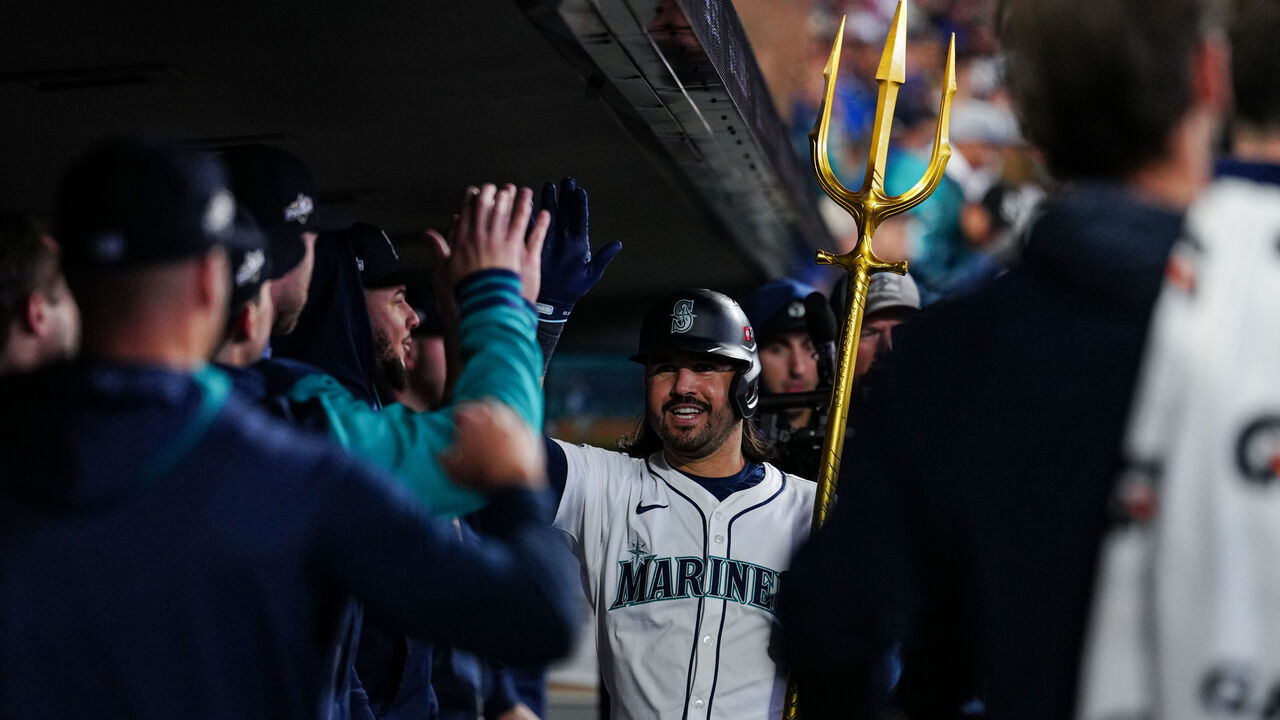
✍️ 1-year, $15M contract
What it means for Reds: Cincinnati struck out in its pursuit of Kyle Schwarber, but Eugenio Suárez is more than a solid consolation prize for a small-market club. Suárez's deficiencies are well known; he's a poor defender, doesn't draw walks, and posted the sixth-highest strikeout rate among qualified hitters last season. However, when you boast the power that Suárez does, you can live with those issues. The 34-year-old is coming off a season in which he hit 49 home runs, and finished seventh in the majors with 77 extra-base hits.
The Reds should be able to pull the maximum value out of Suárez by using him primarily as the team's DH, with two-time Gold Glove winner Ke'Bryan Hayes manning third base.
That injection of power is exactly what a young Reds lineup needs. Cincinnati ranked 21st in home runs last season, with Elly De La Cruz (22), and Spencer Steer (21) the only players to go deep more than 20 times. Suárez spent seven seasons with the Reds earlier in his career where he emerged as one of baseball's premier power hitters. He hit 155 homers over a five-year span with Cincinnati - the fourth-most in the majors during that time. The move back to Great American Ball Park should benefit Suárez. He owns a career .260/.347/.504 slash line with 101 home runs and a .851 OPS in 461 games at the stadium.
Suárez entered with the second-most homers of any free-agent position player available this winter but his market failed to develop. He reportedly turned down a multi-year deal from the Pirates to return to an organization he's familiar with. Cincinnati was able to capitalize on Suárez's collapsed market, and it's hard to view this deal as anything but a major win for the Reds, especially when looking at Anthony Santander's five-year, $92.5-million contract signed the year prior.
Red Sox, White Sox link up for another trade
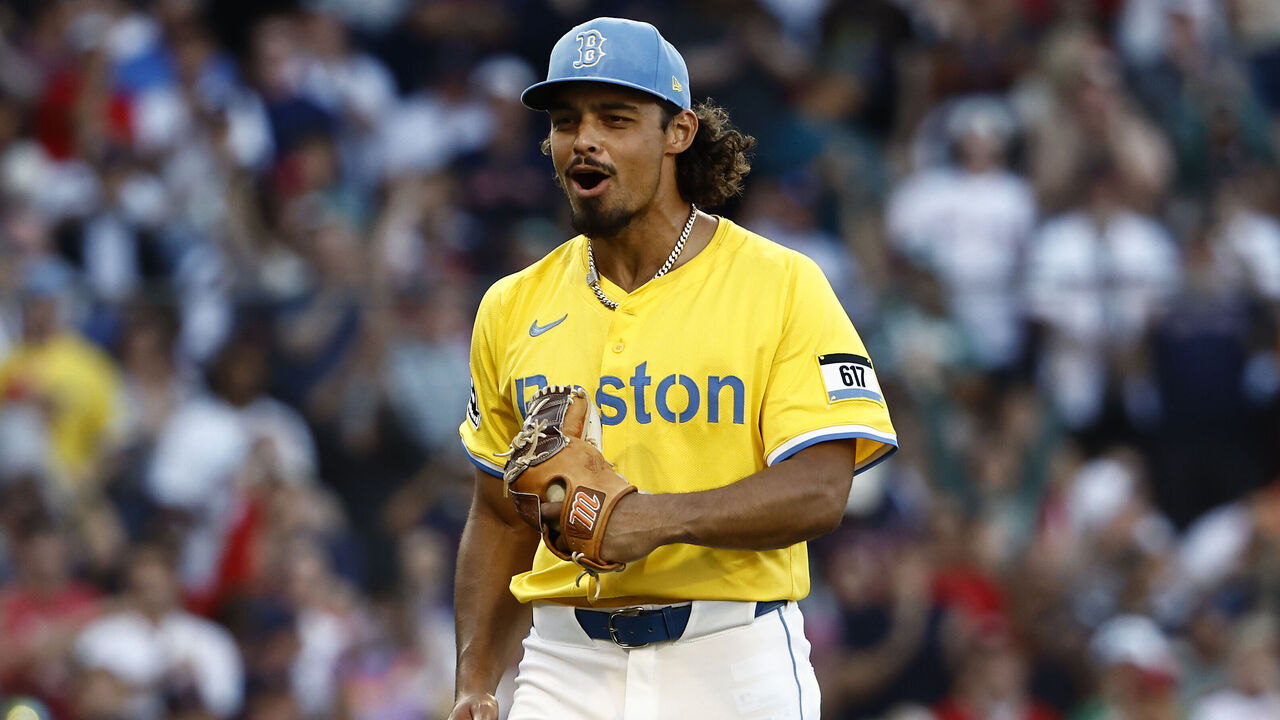
What it means for White Sox: Chicago's immediately reinvested the money it unloaded in trading Luis Robert Jr. by adding Seranthony Domínguez, Austin Hays, and now Jordan Hicks over two weeks. The hard-throwing right-hander joins his third organization in six months and now the White Sox will be tasked with trying to get the best out of an incredibly talented arm that's never been able to reach his full potential.
The Giants experimented with Hicks as a starter in 2024 before eventually returning him to the bullpen. The transition back to a reliever was a disaster, as he posted a 6.95 ERA, and 1.66 WHIP, while also producing the worst hard-hit %, strikeout rate, and exit velocity of his career. His role in Chicago is still to be determined, and the organization will hope that a fresh start with a team with lower expectations can help get him back on track.
The White Sox will cover $17 million of the $25 million owed to Hicks. Chicago's willingness to absorb so much money netted them David Sandlin in the deal. The Red Sox' No. 9 prospect, Sandlin is another big arm that's touched 100 mph, but like Hicks, has struggled with his control. The 24-year-old posted a 4.50 ERA, with a 9.1 K/9, and 3.4 BB/9 over 106 innings across Double-A and Triple-A last season. Expect Sandlin to get a shot at cracking Chicago's rotation at some point in 2026, and if he does, paying Hicks' salary - regardless of his performance - will have been worth it.
What it means for the Red Sox: Craig Breslow has now traded two of the four players he received for Rafael Devers. Finding a taker for Hicks felt like a priority this winter after how poorly he performed in Boston, and given his inflated salary. Clearing $17 million off the books is a major win, even if it did cost the club one of its better prospects.
Under Breslow, the organization has done an excellent job building immense pitching depth in the lower levels. They've used that depth to make a number of trades this winter involving seven minor-league arms, while still keeping its top pitching prospects. Now we'll see what the Red Sox plan is with the money they saved, because as productive as the front office has been this offseason, the roster - especially on the position player side - lacks an impact bat.
Eugenio Suárez was the last free-agent available that was a fit for Boston, so Breslow will have to dip back into the trade market if he's to add infield help. Going into the season banking on an infield of Marcelo Mayer, Trevor Story, Romy Gonzalez, David Hamilton, and Willson Contreras is a significant gamble for a team in its competitive window, and puts way too much pressure on young star Roman Anthony to carry the offense.