
The upcoming Olympics are throwing a wrench into the usual flow of NHL player movement. There's a league-wide roster freeze from Feb. 4-22, so we could see fireworks in February. Then the March 6 trade deadline. Let's run through eight teams - four buyers and four sellers - that look primed to shape the trade market. (Note: salary cap information courtesy PuckPedia.)
Calgary Flames
Record: 19-23-4
Role: Seller
The Flames need an infusion of high-end talent, and upside is best found at the top of the draft. Calgary sits 30th in points percentage and would benefit from dropping further in the standings to secure premium lottery odds.
General manager Craig Conroy has four desirable pieces at his disposal to accelerate the process: right-handed defenseman Rasmus Andersson (29 years old, $4.6-million cap hit, pending unrestricted free agent), plus forwards Nazem Kadri (35, $7 million, contract runs through 2028-29), Blake Coleman (34, $4.9 million, 2026-27), and Ryan Lomberg (31, $2 million, pending UFA).
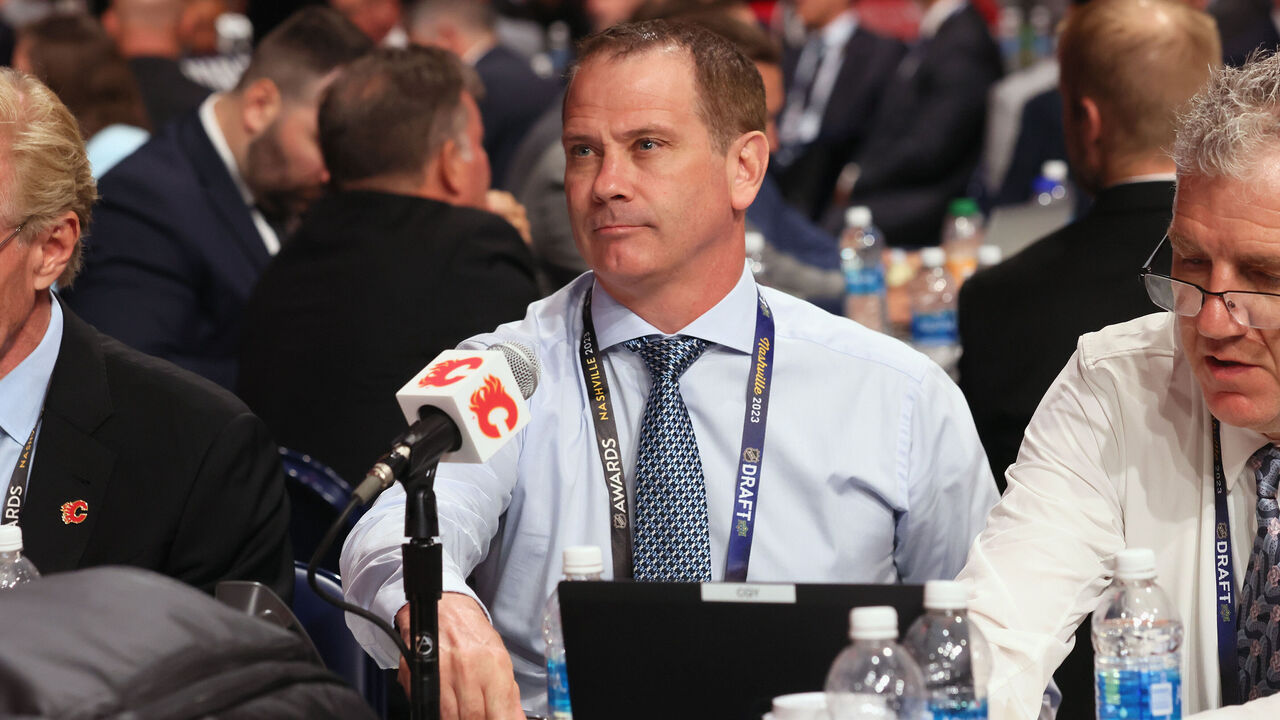
Andersson's contract includes a six-team no-trade list, Coleman has a 10-team trade list, and Kadri has a 13-team no-trade list, which makes navigating the market somewhat tricky. Still, Conroy is taking on risk every passing day.
Coleman, a proven playoff performer enjoying a solid season, was injured last week amid trade rumors. Not ideal. Andersson, whose value might be at its peak thanks to a strong first half and recent Olympic selection, will be putting his body on the line every shift for Team Sweden. Meanwhile, a handful of playoff-bound teams should be in hot pursuit of Kadri to upgrade at center.
Carolina Hurricanes
Record: 28-15-4
Role: Buyer
Most years during Rod Brind'Amour's tenure in Carolina have followed a familiar script. Regular-season excellence. Success early in the playoffs. Disappointment once key saves and goals dry up in the second or third round.
The organization has attacked the firepower issue head-on, acquiring high-profile forwards Jake Guentzel and Mikko Rantanen and promising blue-liner K'Andre Miller in three blockbusters since March 2024. (The Rantanen experiment, of course, was short-lived. He's now leading the Stars' attack.)
Carolina will be creative. They will be bold. Just how bold they'll be is the mystery.
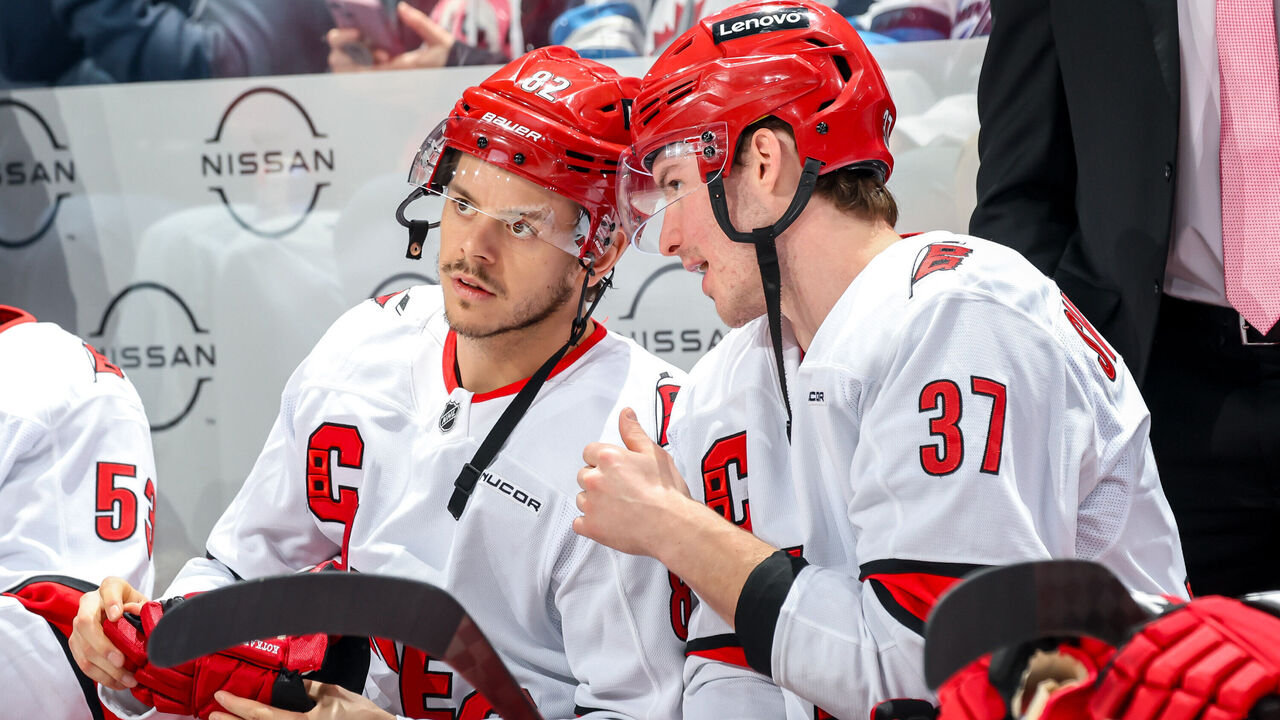
Does GM Eric Tulsky try to acquire a 2026 free-agency headliner in New York's Artemi Panarin or Buffalo's Alex Tuch? Does he opt for an immediate core piece in stud Blues center Robert Thomas? A reclamation project in Vancouver's Elias Pettersson? A unique winger in the Canucks' Kiefer Sherwood? A defenseman in New Jersey's Dougie Hamilton, St. Louis' Justin Faulk, or Anaheim's Pavel Mintyukov? Somebody nobody's thinking about?
Carolina's arguably better at asset management than any NHL team. Despite being in win-now mode, pulling the trigger on complicated deals, and locking up key youngsters, Tulsky has $16.9 million in cap space, five first-round picks from the next four drafts, and a solid prospect pool to work with.
Also, unlike most buyers, the Hurricanes have two well-established, 25-year-old forwards to dangle in trade talks. Andrei Svechnikov and Jesperi Kotkaniemi, both in the rumor mill of late, are change-of-scenery candidates.
Dallas Stars
Record: 27-11-9
Role: Buyer
Dallas is on pace for 112 points - two shy of the franchise record set in its 1999 Stanley Cup season. Despite their dominant performance, the Stars have been overshadowed by Colorado, the team they're most likely to meet in Round 2 of the playoffs.
The Stars can't expect to beat the Avalanche without improving the blue line. Esa Lindell and Miro Heiskanen form a reliably impactful top pair, but 24-year-old Thomas Harley needs help on the second unit. Harley has struggled this year in part because he's spent nearly all of his five-on-five minutes alongside third-pair guys Ilya Lyubushkin, Nils Lundkvist, and Alex Petrovic.
Veteran right-handed defensemen Andersson (Calgary), Hamilton (New Jersey), and Connor Murphy (Chicago) are three logical trade targets.
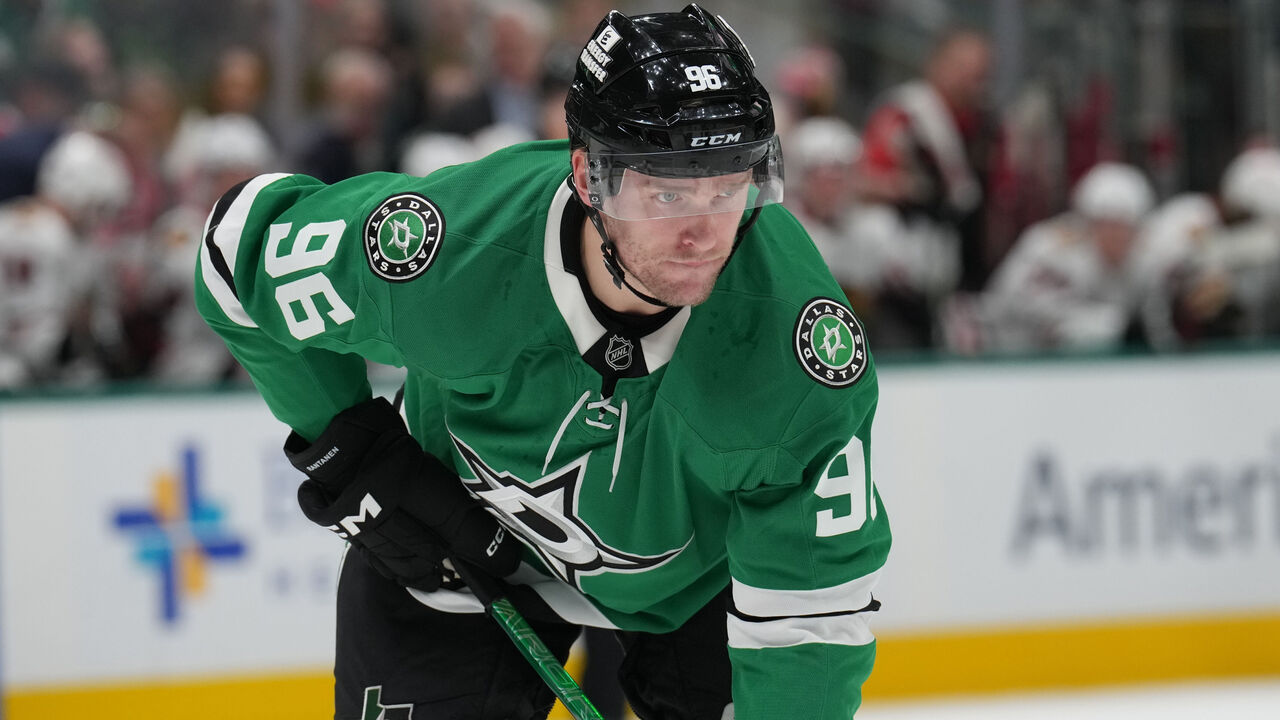
GM Jim Nill loves midseason splashes, bringing in superstar winger Rantanen last year and shutdown defenseman Chris Tanev in 2023-24.
There are a few complicating factors this time around.
The Stars' salary cap situation is fuzzy. The club, which entered 2025-26 with virtually no cap space, is up to $3.3 million thanks to multiple players spending time on long-term injured reserve. That amount will triple if winger Tyler Seguin (torn ACL) is ruled out through the playoffs and placed on season-ending LTIR. A timeline update is expected after the Olympic break.
Secondly, while Dallas isn't completely devoid of futures, its draft capital is limited (no first-round picks in 2026 or 2028) and its prospect pool is shallow. Lastly, leading goal-scorer Jason Robertson is a pending restricted free agent. If Robertson's returning, the Stars can't handcuff themselves by absorbing a hefty multi-year contract (like Hamilton's) without carefully plotting next steps.
Dallas will almost certainly be active on the trade front. The extent of their activity is TBD.
St. Louis Blues
Record: 18-21-8
Role: Seller
The Blues, led by GM Doug Armstrong and head coach Jim Montgomery, are a down-bad team that can shake up the NHL landscape if it so chooses.
This season has been extremely disappointing, and it's blatantly obvious the roster requires major surgery. But turnover is easier said than done when the Blues' UFA list consists of only Oskar Sundqvist, Mathieu Joseph, and Robby Fabbri.
The intrigue instead surrounds the futures of first-line forwards Thomas and Jordan Kyrou, captain Brayden Schenn, top four defensemen Faulk and Colton Parayko, and starting goalie Jordan Binnington. Kyrou, Schenn, and Faulk seem more likely to be traded than the other three, but who knows?
The front office is tasked with deciding which players should be part of the core moving forward, then navigating various no-move and no-trade clauses.
Yet, it's entirely possible Armstrong plays it conservative, moving the UFAs and just one or two others. After all, this is a franchise allergic to rebuilding.
Detroit Red Wings
Record: 28-16-4
Role: Buyer
GM Steve Yzerman made only minor moves ahead of last year's deadline, citing exorbitant prices relative to the caliber of players available. Captain Dylan Larkin later expressed disappointment with the lack of activity.
The sequence of events could be much different in 2026, with Detroit on a 103-point pace, slotted second in the Atlantic Division, and holding 72.7% playoff odds. The Original Six franchise hasn't looked this promising since its last postseason appearance in 2015-16 and has heaps of cap space ($26.9 million).
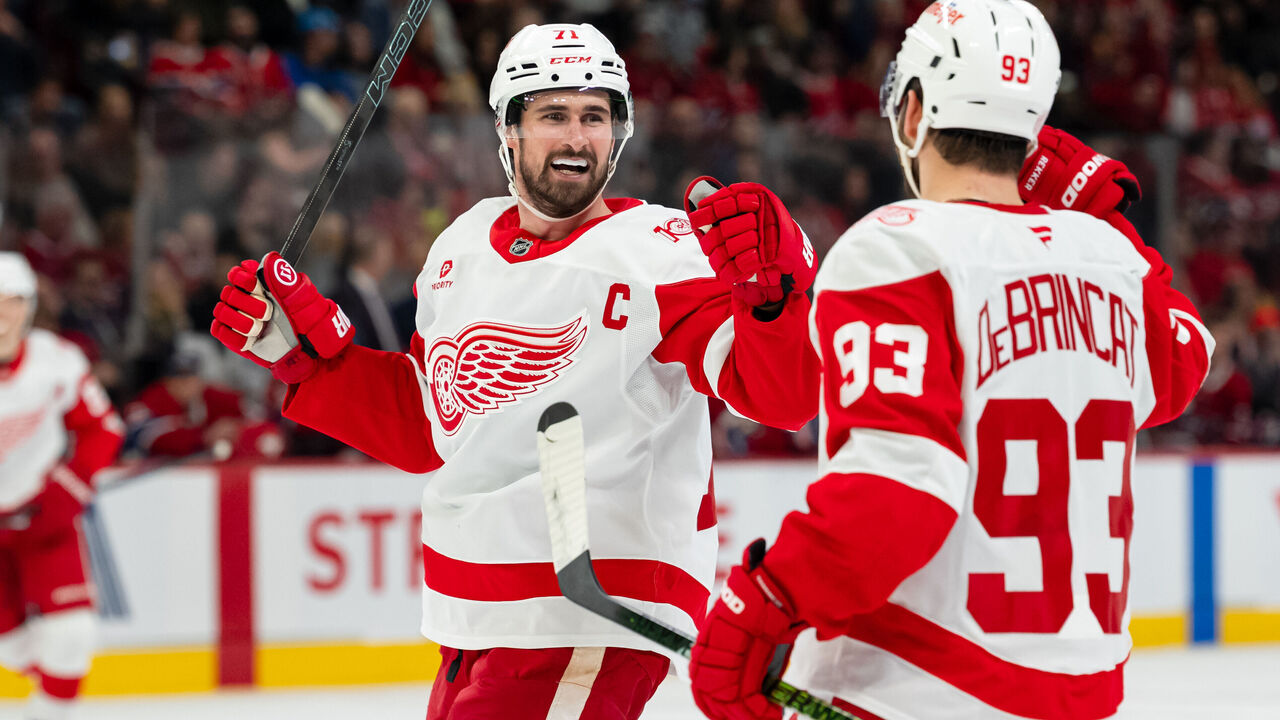
The top of the lineup - Larkin, Lucas Raymond, Alex DeBrincat, Moritz Seider, Simon Edvinsson - is humming, but Detroit's depth leaves something to be desired. The two biggest needs are a two-way defenseman to beef up the second pair and a middle-six offensive contributor, preferably on the wing.
St. Louis defenseman Faulk and Vancouver left winger Jake DeBrusk make sense as realistic but dreamy fits. "Dreamy" is an important word here, as both players have term left on their deals and some kind of trade protection.
The Red Wings, who were frequently mentioned as a landing spot for Quinn Hughes in the lead-up to the Wild-Canucks blockbuster, are primed to go big-game hunting. The Eastern Conference is wide open, and Yzerman possesses the money, prospects, and young NHLers to complete a needle-moving trade.
Vancouver Canucks
Record: 16-25-5
Role: Seller
The Canucks' front office this week dropped the ridiculous hedging ("hybrid retool") and expressed a desire to rebuild in the wake of the Hughes trade.
What a breath of fresh air.
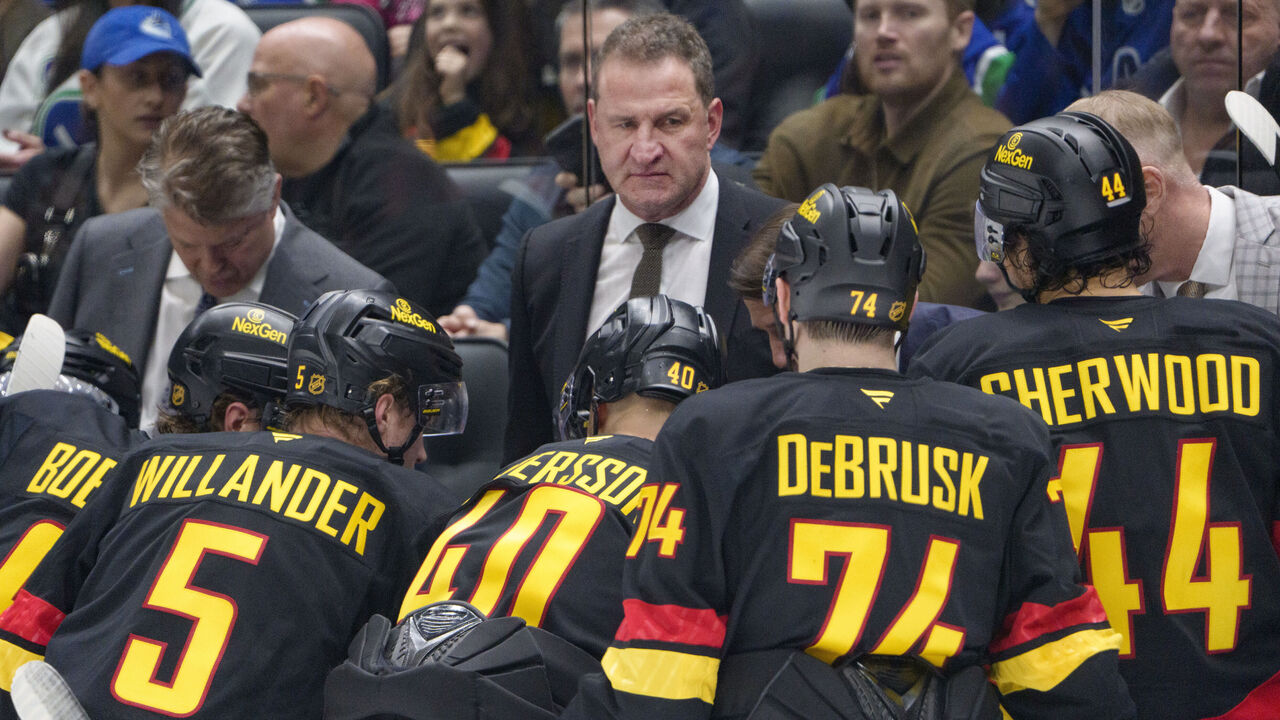
But, wait, Vancouver fans will be sold on this vision only when the club completes multiple transactions squarely aimed at the future. Remember, the Canucks are notorious for cutting corners and changing directions midstream.
Nevertheless, if GM Patrik Allvin is truly serious about rebuilding, things could get interesting beyond the obvious trade chips of pending free agents Sherwood, Evander Kane, Teddy Blueger, David Kampf, and Lukas Reichel.
Although core forwards Pettersson, Brock Boeser, and DeBrusk aren't perfect players and carry onerous contracts, surely there are teams out there wondering if the right coach and linemates can spark a late-20s turnaround.
Minnesota Wild
Record: 26-12-9
Role: Buyer
Wild GM Bill Guerin pulled off one of the biggest trades in NHL history in December. Yet he can't be satisfied. Minnesota is guaranteed only two seasons with 2027 UFA Hughes, and the Central will be a gauntlet come playoff time.
With goaltending and defense in excellent shape, forward is the top priority. It's suboptimal that Joel Eriksson Ek is the lone legitimate top-six center.
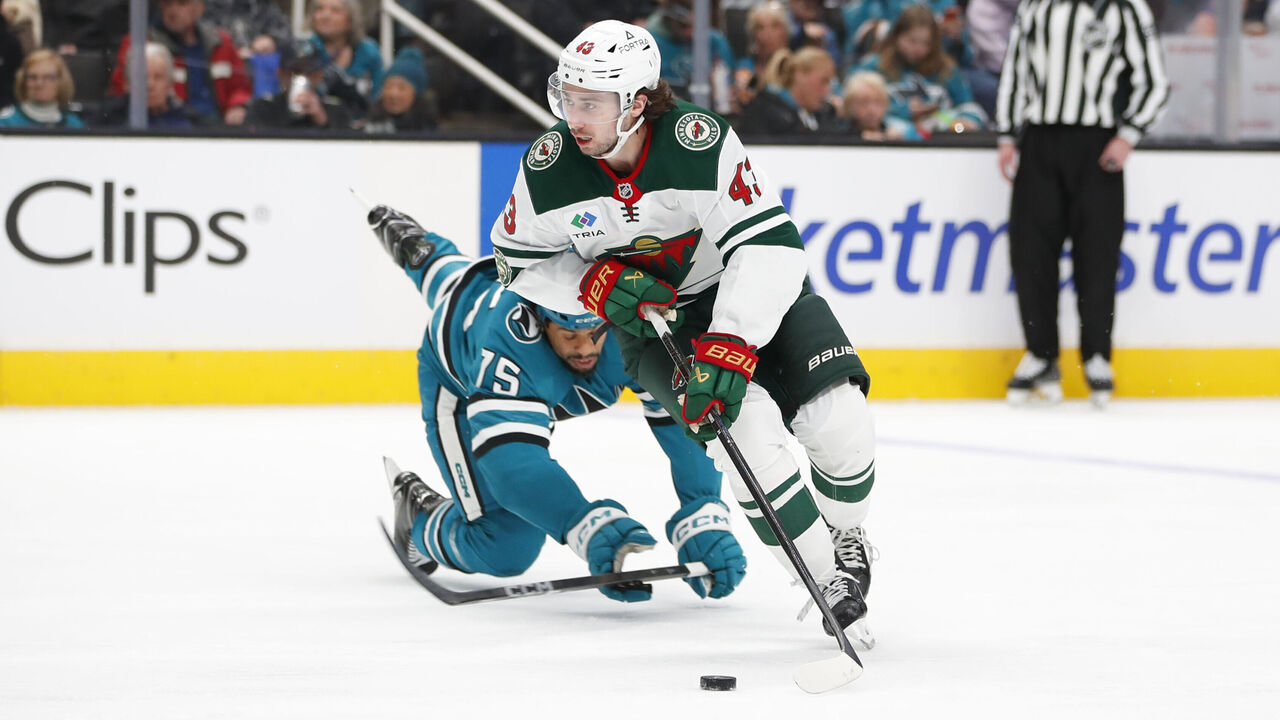
Guerin can pursue another needle-mover - think Nashville's Ryan O'Reilly or St. Louis' Thomas - or bring in a hard-nosed veteran, like Calgary's Kadri or the Blues' Schenn. The latter option isn't the sizeable downgrade it might seem at first glance. Minnesota's forward group is unique. Wingers Kirill Kaprizov and Matt Boldy are two of the top play-driving wingers on the planet, meaning the Wild don't necessarily need O'Reilly or Thomas.
Minnesota has a fair amount of flexibility with $5.8 million in cap space and, if necessary, can try to carve out another $4 million or so by moving an underperforming pending UFA forward (Ryan Hartman or Vladimir Tarasenko).
The 2024 David Jiricek trade and Hughes blockbuster have significantly eaten the team's assets. The Wild don't have a 2026 first-round pick, a 2026 second-rounder, or a 2027 second-rounder. But they do have a 2027 first and an above-average group of prospects.
New Jersey Devils
Record: 23-21-2
Role: Seller
The Devils are last on this list for a reason. They're a complete wild card.
On one hand, GM Tom Fitzgerald remains hopeful the struggling squad can turn its season around and earn a playoff spot (the preseason expectation). In fact, he told reporters Wednesday that he'd like to add to the forward group.
On the other hand, New Jersey is right up against the cap and handcuffed by numerous no-move and no-trade clauses. As a result, the Devils can't buy until they sell. Essentially, Fitzgerald needs first to clean up the mess he's made.
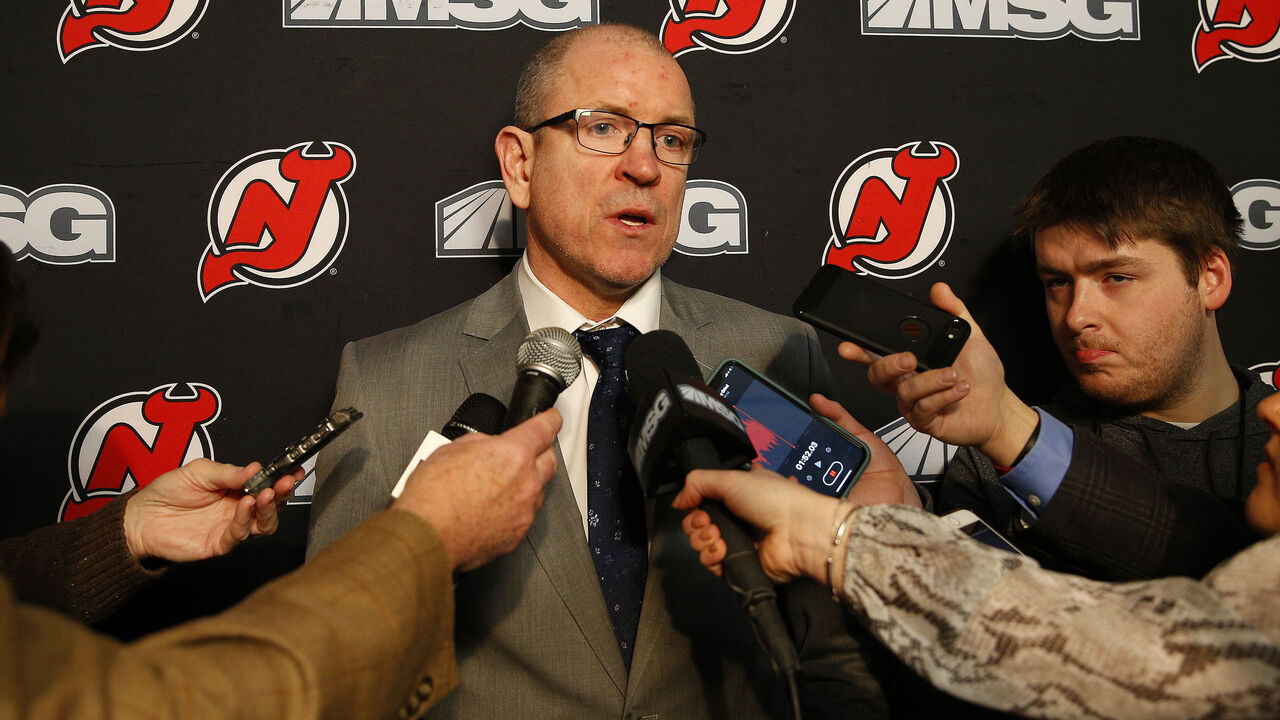
Dawson Mercer and Cody Glass check the boxes of being useful forwards with relatively low cap hits and zero trade protection. But trading Mercer, in particular, would solve one problem while creating another.
Hamilton, who was recently scratched, would be easy to move if he didn't make $9 million a year and own a 10-team trade list. What a win it would be if Fitzgerald moved off Ondrej Palat, the underperforming veteran winger attached to a horrendous contract. Oh, right, Palat also has trade protection. The same goes for goalie Jacob Markstrom. Untangling the knot won't be easy.
John Matisz is theScore's senior NHL writer. Follow John on Twitter/X (@MatiszJohn) or contact him via email ([email protected]).