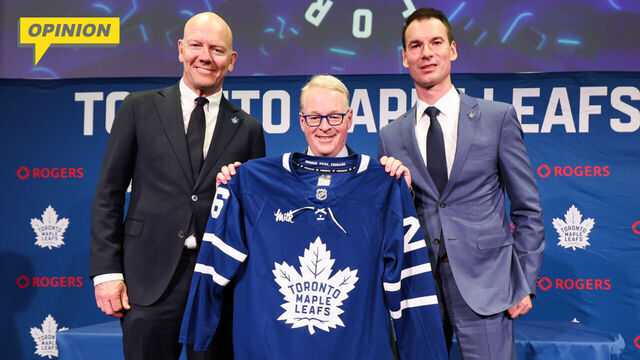
When Keith Pelley met with the Toronto media on Monday to unveil his Maple Leafs front-office hires, he explained that the search had been thorough, with more than two dozen people interviewed.
After meeting so many candidates - some who were, presumably, good? - the Maple Leaf Sports & Entertainment boss somehow landed on an unlikely duo: a franchise legend with no managerial experience since he retired 17 years ago, and a former general manager who's been running fast-food franchises since his one NHL job ended in disgrace six years ago.
That's obviously strange enough on its own merits. But then Pelley revealed that the idea of bringing Mats Sundin back to Toronto first crossed his mind about 18 months ago, when the former Leafs captain was in town for a book launch.
The sides didn't have any formal discussions or anything, Pelley said, but Sundin had wondered about a role in hockey management at some point. Toronto was an obvious fit, and the two kept in touch.
Hiring the guy who floated the idea of coming on board in a casual chat over a year ago is not a strong indication of the breadth of your executive search.
While the local market has received the twin hires about as poorly as possible, much of the fallout has been about the suitability, or lack thereof, of John Chayka in the general manager role.
The Toronto Sun's Steve Simmons, for instance, needled Pelley during Monday's introductory press conference, saying people he spoke to around the league viewed Chayka's hiring as a "sham" and described the Leafs' new general manager as a "con artist."
So, yeah, there's some skepticism.
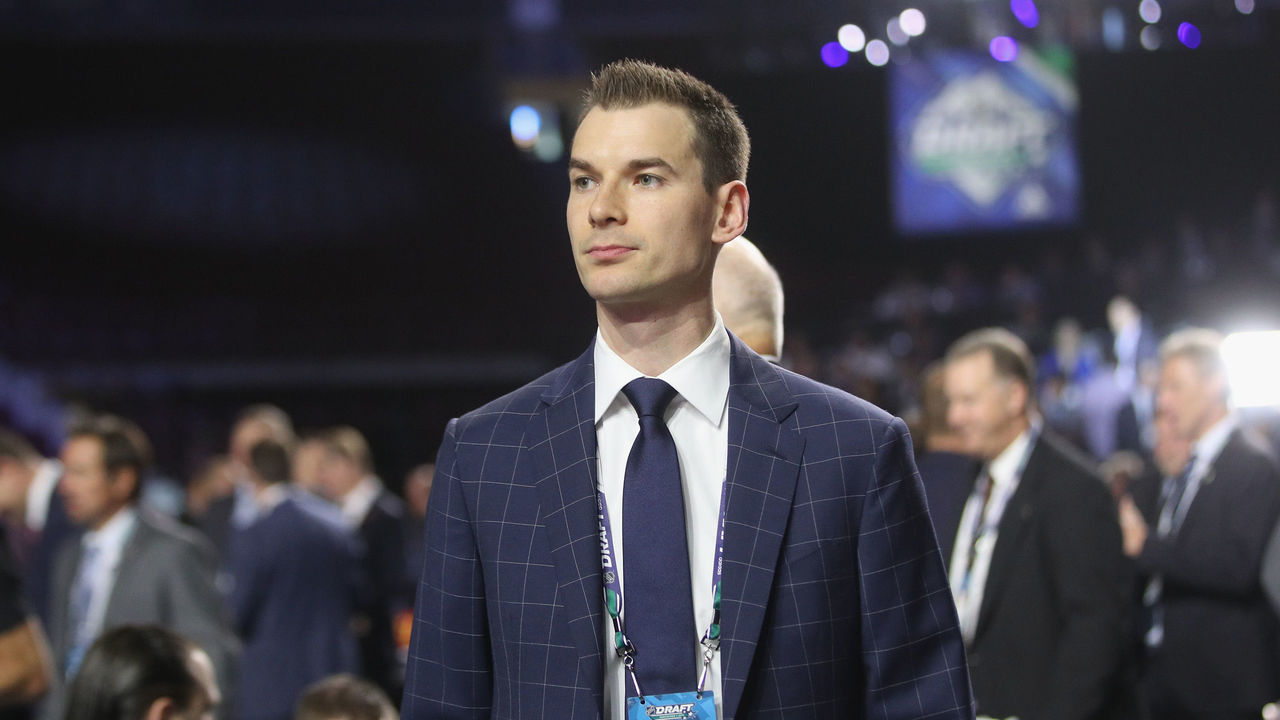
Chayka's tenure as the whiz-kid GM in Arizona ended in flames. Hired at just 26, he was eventually suspended by the league for sniffing around for a new job while still working for the Coyotes. The franchise also lost a couple of draft picks as punishment for breaking pre-draft scouting combine rules under his leadership, and the teams he built also stunk.
Of course, these are all valid concerns, and yet Chayka fits what Pelley said he wanted in the next Toronto hockey boss after firing Brad Treliving as the Leafs slumped to the end of a miserable season. Pelley had emphasized he wanted a data-first guy, and Chayka is that. Still only 36 years old, maybe Chayka will have learned enough in his four-year stint in the desert to make the most of his second chance running an NHL hockey operations department.
Is that a generous interpretation of things? Yes. But it's at least a possible outcome.
The Sundin part of the equation is even more of a mystery. Unlike some former athletes brought in to serve a semi-ceremonial role in the front office to assist with the vibes while others sweat the difficult details, the big Swede is evidently supposed to work alongside Chayka in hockey operations. He's officially a "senior executive adviser," but Pelley cheerfully admitted that no one seemed too worried about Sundin's job title or, you know, responsibilities, as he was being recruited.
Pelley seemed proud of this unorthodox arrangement, as if he had come up with a stroke of brilliance by giving the unproven Chayka an even more unproven executive as his senior adviser, in a capacity that wasn't really defined. He kept referring to how the two men, neither of whom is the other's boss, will be expected to work together collaboratively. That's a nice idea, except for the countless examples of pro sports front offices that fall apart when decision-makers disagree and there's no clear chain of command.
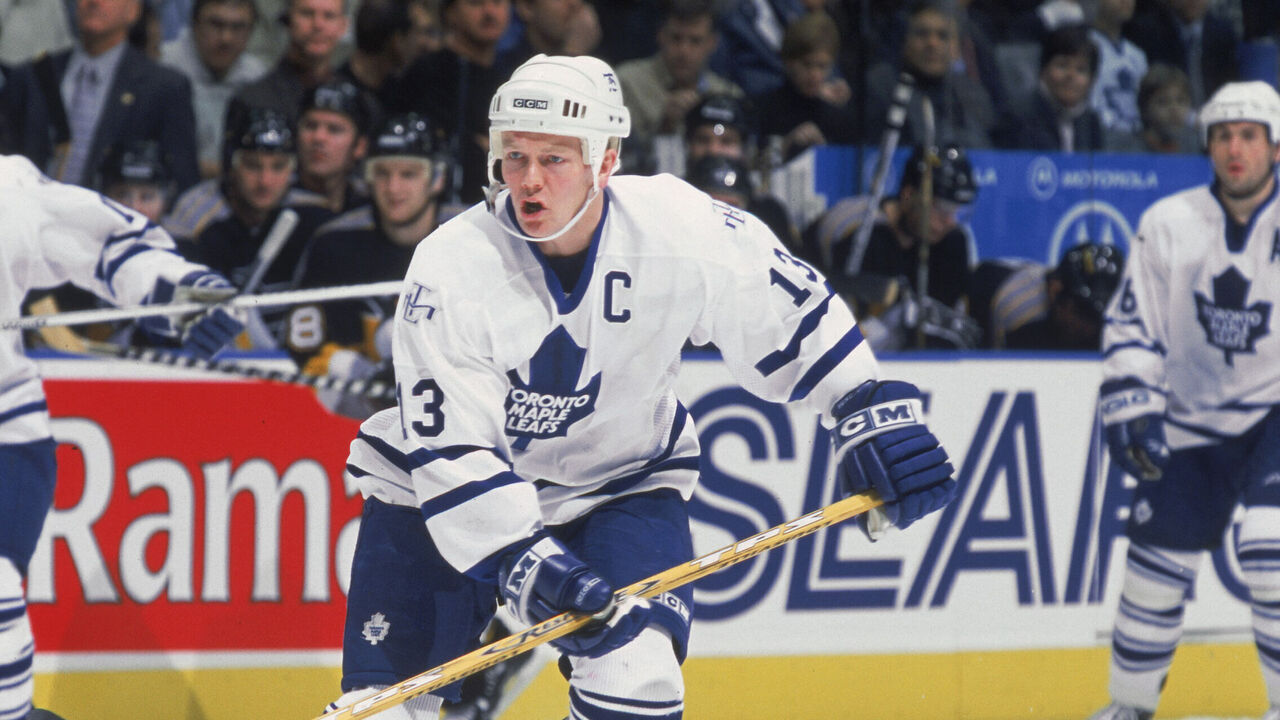
Sundin has never been a scout, made a draft pick, or engineered a trade. What, exactly, is he supposed to be advising about? When asked Monday if he had thoughts about the Maple Leafs' dressing room - a team that racked up a long streak of postseason underachievement before cratering this past campaign - Sundin brushed off that possibility. Since he wasn't in the room, he said, he couldn't possibly comment on whether the culture needs to change.
OK, then.
Given that he just joined the organization, no one should expect Sundin to be fully versed on the particulars of the Leafs' room. But if he isn't there to impart some wisdom from his playing days and help improve the "culture," what's the point of having him around?
To hear Pelley explain it, Chayka and Sundin are aligned in their hockey vision - hopefully it's more detailed than "score more goals than the other team" - and the rest will work itself out as they get down to business. No one was concerned about the org chart because these guys were just keen to hop aboard and finally deliver a Stanley Cup to the large and devoted fan base.
It's also true that neither Chayka nor Sundin would've been in much of a position to make demands about titles, responsibilities, or decision-making authority before the Leafs hired them. Neither was in demand; neither had any leverage.
They were, however, available. That appears to have been enough.
Scott Stinson is a contributing writer for theScore.