Like it or not, U.S. is the main character in global sports right now
There was no indication, as the final minutes ticked away in the women's hockey gold-medal game at the Milan Cortina Olympics in February, that the United States was about to go on a sporting heater.
In fact, the opposite looked to be true: That women's team had stormed through the Olympic tournament, and it was a big favorite to beat Canada for gold. But in that moment, the group found itself down a goal and staring at a final-hurdle flop.
Then the U.S. pulled its goalie, Hilary Knight tipped in a point shot, and Megan Keller followed with the overtime dagger.
The victories have kept coming since.
The American men's hockey team played a completely different gold-medal final against Canada, getting largely dominated by waves and waves of pressure. But Connor Hellebuyck made save after save, Nathan MacKinnon whiffed on an open net, and Jack Hughes scored the biggest goal since the "Miracle on Ice" 46 years ago.
At this month's Paralympic Games, the U.S. sledge hockey team finished off a hat trick of gold-medal wins against Canada - results that carry considerably more weight for Canadians than usual.
The United States' hot streak has managed to cross sports, too, with Team USA reaching the final of the World Baseball Classic, where it will face Venezuela for the title Tuesday.
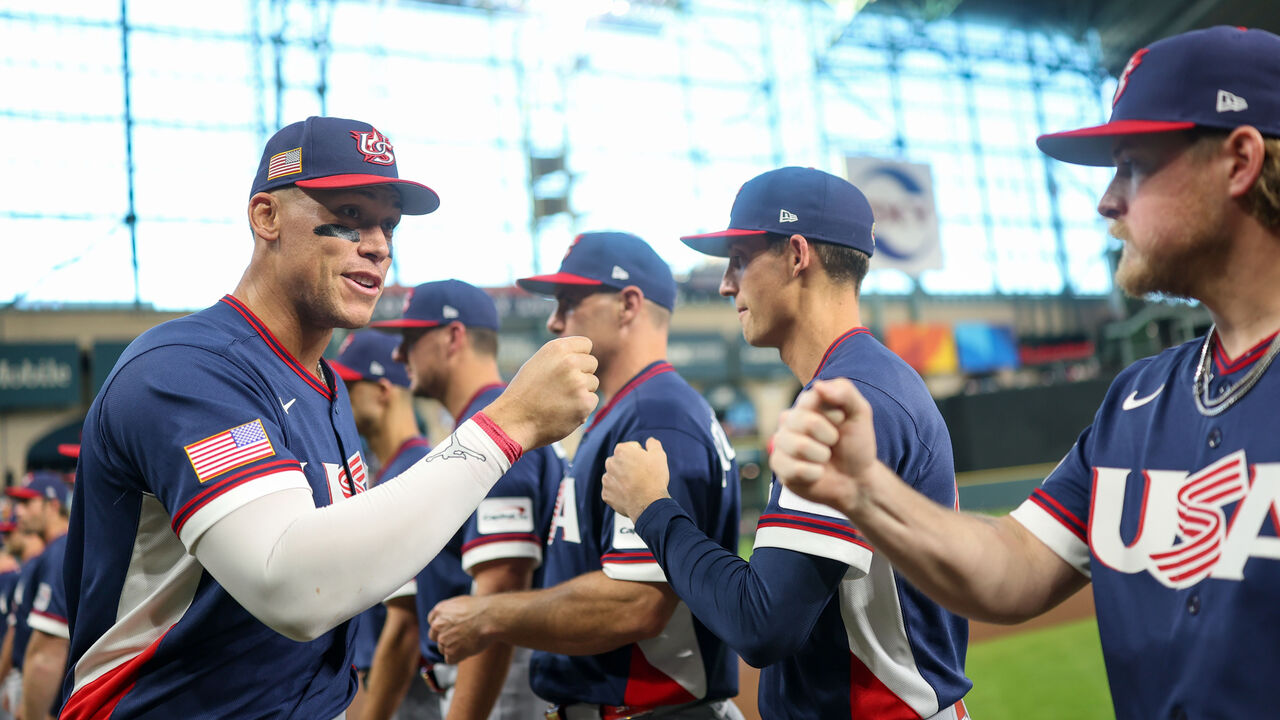
It's worth noting that the country's WBC success has a distinct element of good fortune about it. American manager Mark DeRosa misunderstood the knockout-round qualification criteria, rested multiple players in a game against Italy, and then promptly lost that game, leaving his team's fate dependent on the outcome of Mexico's final pool-play contest. The ordeal was a tremendously embarrassing bit of management, and it reinforced suspicions that the Americans don't care about the WBC to the same degree as their counterparts in Latin American and Asia.
Team USA survived that situation, thanks to a Mexico loss, but other controversies came about. Cal Raleigh refused to shake hands with Mexico's Randy Arozarena, his Seattle Mariners teammate, as part of the United States' apparent commitment to toughness ... or something. Raleigh later did the same when offered a hand by Canada's Josh Naylor, another Seattle teammate. The display feels a bit overdone for a baseball exhibition, but at least Raleigh is consistent.
Various American players have used the international tournament's platform to honor the country's military, and DeRosa brought in a former Navy SEAL to give the team a pep talk. The solemn discussion about fallen soldiers is quite a different approach than that of other nations, which either celebrated with unbridled joy (Dominican Republic) and/or had an espresso machine in the dugout (Italy).
But even if the vibes around Team USA haven't been nearly as fun, the group has delivered results. The Americans knocked off the tournament darlings from the Dominican Republic in the semifinals on account of great pitching from Paul Skenes, a couple of solo homers, and a pair of fortuitous strike calls.
The Americans are heavy favorites in the final, and they might even get a congratulatory phone call from President Donald Trump if things go their way.
That's the other thing about this run of success for American teams: It comes as the country is fighting battles, literally and figuratively, on countless fronts. The nation has engaged in diplomatic and trade disputes with many (most?) of its allies. It launched a war (alongside Israel) against Iran. And Trump is now demanding that NATO allies (and other nations) help the U.S. Navy patrol the Strait of Hormuz to keep a major oil shipping route open.
In other words, a lot is happening.
Against that backdrop, it's almost fitting that Venezuela serves as the opposition for the U.S. in the WBC final given the history - especially of late - between the two nations.
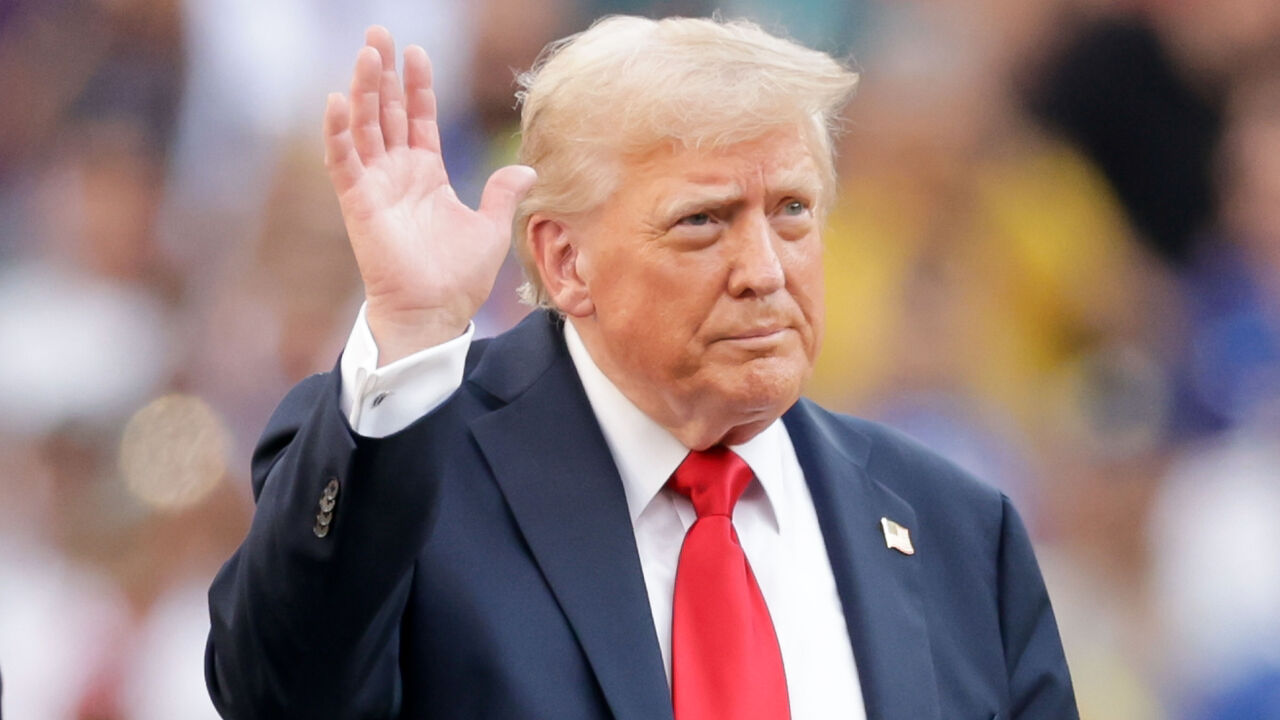
The United States has long been a main character globally, but Trump's second term has taken it to a new level, which holds true regardless of your politics.
And it isn't stopping anytime soon. The World Cup will begin in three months, and the president has already shown a willingness to involve himself in preparations. He's mused about moving games out of cities that he doesn't like, pressed FIFA boss Gianni Infantino to hold the tournament draw in Washington, D.C., and generally maintained a presence that's unusual for a politician.
Less than two years after the World Cup concludes in New Jersey, the United States, specifically Los Angeles, will host the planet's other massive sporting event: the Olympics. How many complications the White House will add to the competition remains to be seen. The World Cup, even in its new supersized form, has only 48 participating nations. The Olympics will have more than 200.
A lot can happen in two years, but it's a safe bet that at least some of those countries will come to the U.S. while being involved in a Trump-related beef.
So far, none of the conflict and controversy has affected the performance of American athletes, who are excelling despite it all.
Scott Stinson is a contributing writer for theScore.