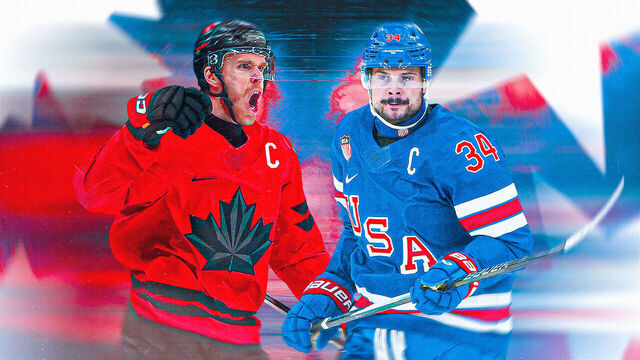
The hockey world saw this coming - two powerhouses meeting in the gold-medal game at the 2026 Olympics. But nobody predicted the chaotic lead-up.
Team Canada cruised through the round robin, outscoring opponents 20-3, then narrowly beat Czechia and Finland. Trailing for long stretches, it won the quarterfinal match in overtime and the semifinal with a mere 35 seconds left.
Team USA won all three round-robin games, too, albeit in less convincing fashion. Sweden took the U.S. to OT in the quarters while Cinderella Slovakia proved to be only a minor obstacle in a still-entertaining semifinal.
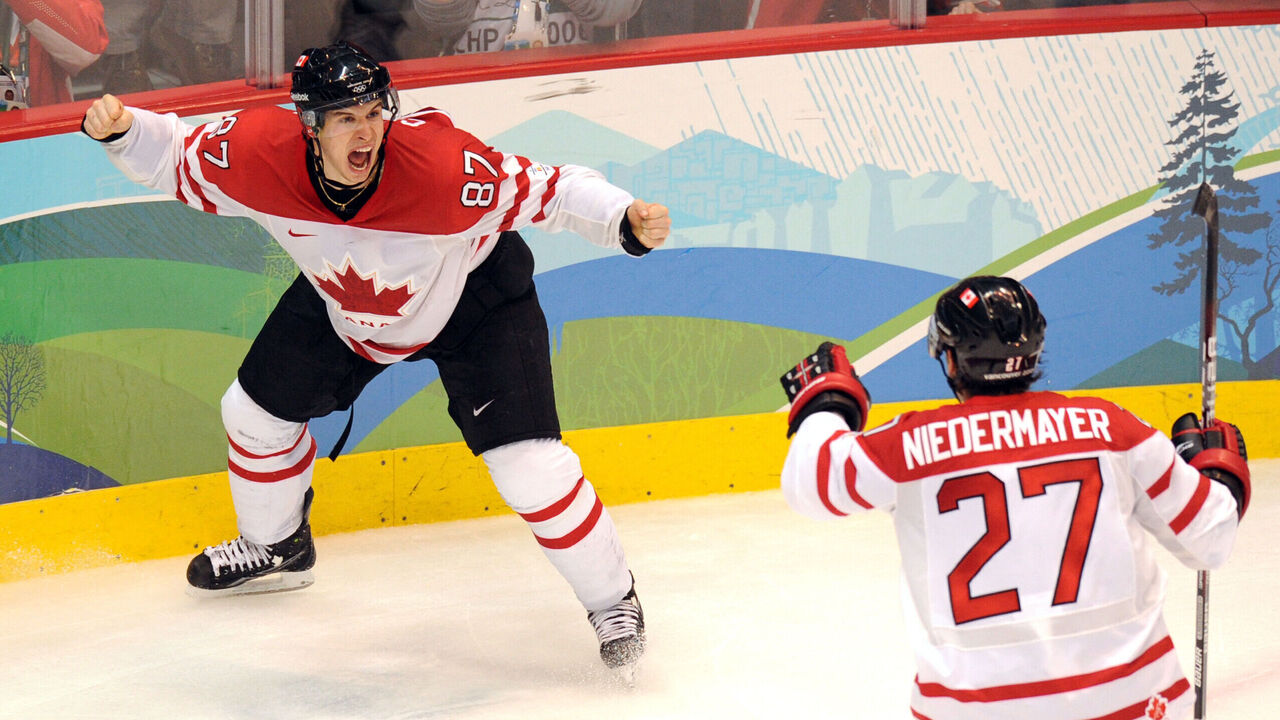
And now, on Sunday, in the final sporting event of the Winter Games in Italy, the next-generation juggernaut will attempt to dethrone the longstanding incumbent in the first gold-medal tilt featuring NHLers in 12 years. Canada, champion at three of the previous five NHL-era Games, defeated USA in the 2002 and 2010 gold-medal games. Most recently, the Canadians outlasted the Americans in the title game of the 4 Nations Face-Off. It fittingly needed OT.
The American roster is loaded with players who grew up idolizing the 1980 gold medal-winning team through the 2004 movie "Miracle." Canadian players grew up on captain Sidney Crosby's iconic "Golden Goal" at the 2010 Games.
It's a dream matchup on a dream stage. Hockey bliss.
Here are four battles that'll determine the gold-medal winner.
McDavid line vs. Slavin-Faber pairing
Connor McDavid, the most evolved player in hockey history, has flat-out dominated in his long-awaited Olympic debut. He's racked up two goals and 11 assists in five games to set a record for most points by an NHLer at a single Olympics, while contributing 11.6 scoring chances per contest.
In short, an all-time great in the prime of his career is on an all-time heater in a high-pressure environment. Yet it will mean nothing to McDavid if he doesn't get a gold medal placed around his neck. While McDavid's personal trophy case is overflowing with hardware and he scored the title-clinching goal at the 4 Nations, he's unfulfilled. At 29, he has zero Stanley Cups and may never get another chance to win Olympic gold.
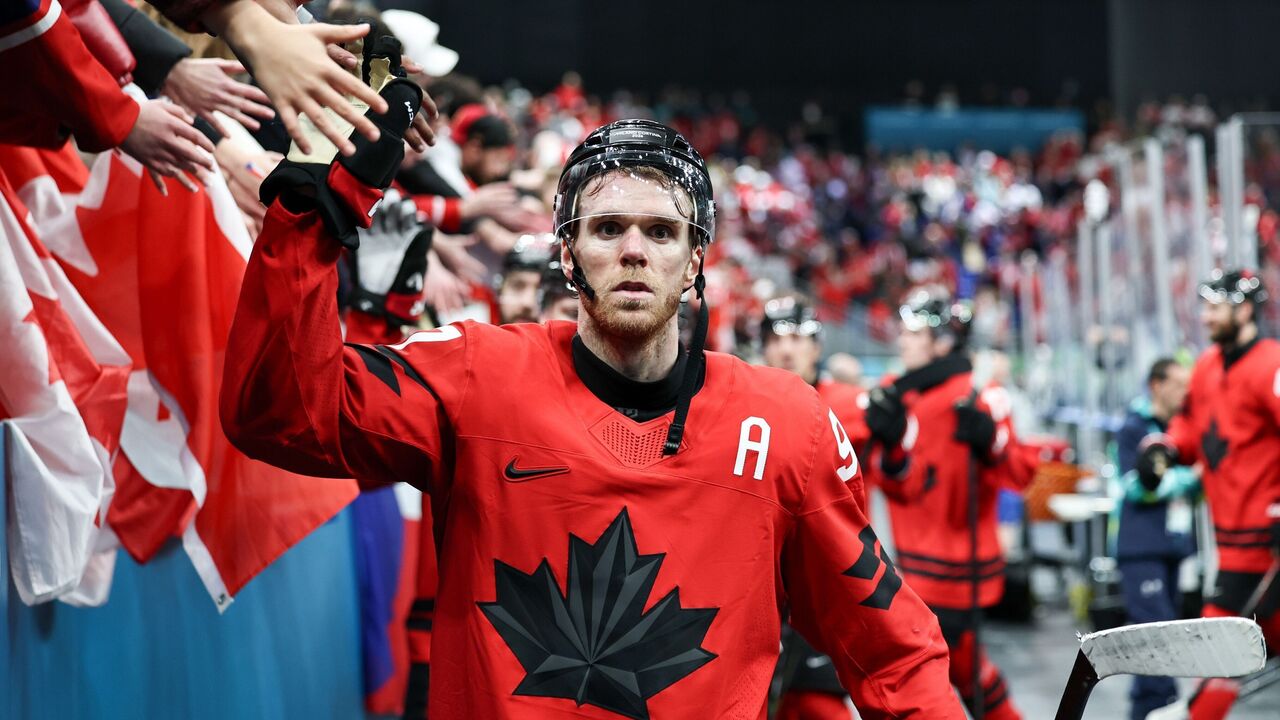
McDavid, Macklin Celebrini and Nathan MacKinnon were double-shifted in the semifinal. The tanks will be emptied on Sunday - and for good reason. The U.S., like every other nation, can't match the speed, skill, and playmaking that No. 1 line of first overall picks presents every single shift. It's almost unfair.
Canada's lineup has taken hits in the tournament. Top-four defenseman Josh Morrissey, injured in the opener, has been ruled out for the final, while second-line center Crosby, injured in the quarters, is a game-time decision.
This places additional pressure on the Celebrini-McDavid-MacKinnon trio to produce, though the rest of the roster is filled with star talents (Cale Makar and Mitch Marner) and Cup winners (Mark Stone and Sam Reinhart) fully capable of breaking through. Somebody needs to have the game of their life.
If McDavid's line happens to falter, Jaccob Slavin and Brock Faber will likely be why. Slavin, the engine of the Americans' shutdown pair, was a menace at 4 Nations, frequently killing dangerous sequences led by McDavid. He's incredibly proficient at keeping tight gaps, reading passes, and poking pucks.
Slavin started the tournament slow but, similar to the U.S. squad, has improved game to game and looks primed to peak in the gold-medal clash.
Canada power play vs. USA draw winning
Scoring the first goal in a typical elimination game is massive because it starts the clock on one team's demise. Panic sets in. In a gold-medal game, where the stakes can't get any higher? The first goal is incalculably huge.
The Canadians enter Sunday's game with the knowledge that a U.S. penalty gives them a tremendous opportunity to put something on the board. The laughably stacked first power play unit of McDavid, MacKinnon, Reinhart, Makar, and one of Crosby or Celebrini has led Canada to a tournament-best success rate of 43.8%, which somehow undersells how lethal it's looked.
If that unit can get sustained offensive zone time, it will generate high-quality looks for some of the finest shooters in the sport. That's a fact.
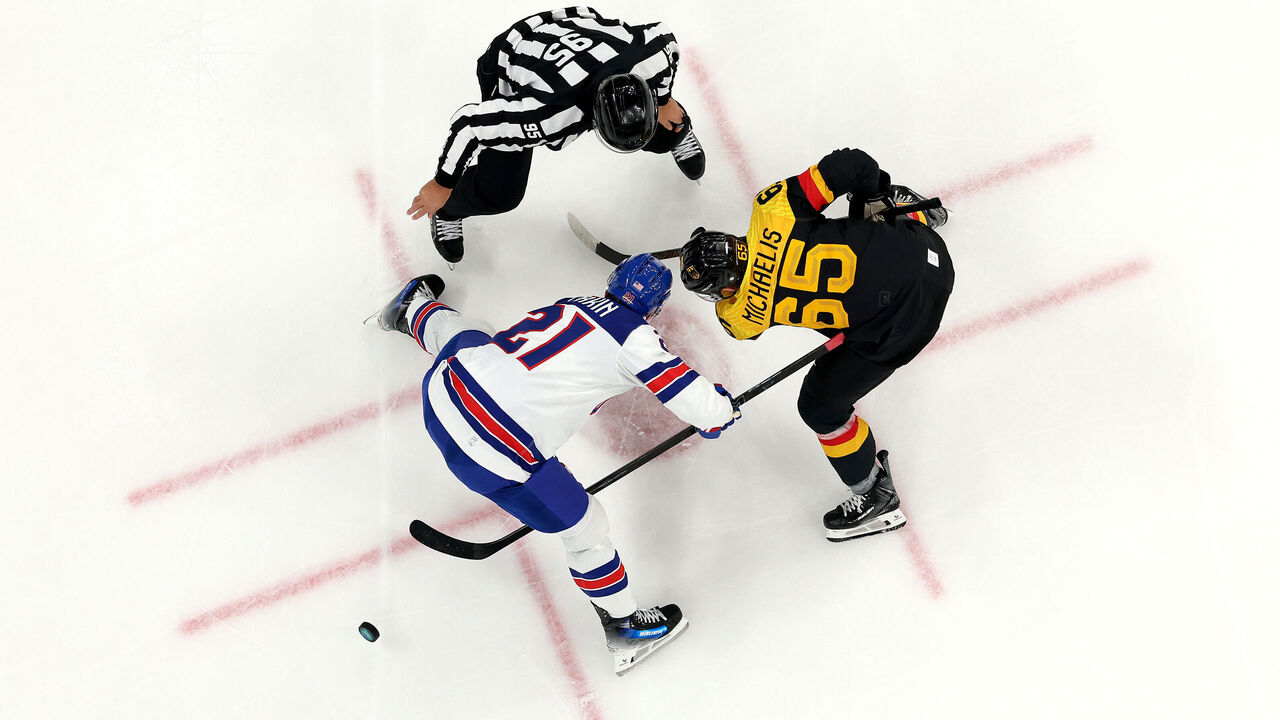
What's also true: a lost faceoff can deflate a power play, and the U.S. has been destroying the competition in the faceoff circle in Milan. Dylan Larkin paces all Olympians with a red-hot 76.3% success rate, while teammates Vincent Trocheck (69.6%) and Brock Nelson (62.8%) also rank in the top five.
TV broadcasts tend to overvalue faceoffs. There are hundreds of puck battles waged over the course of a 60-minute contest, yet the ones starting the play receive most of the commentary, inflating their overall importance.
However, within the context of the gold-medal game, where all battles carry great consequence and teams dial into set plays, every single faceoff's value skyrockets. Canada can't expect to win gold if it can't win at least half of the total draws, and a few key ones on the power play.
U.S. blue line vs. Canada forecheck
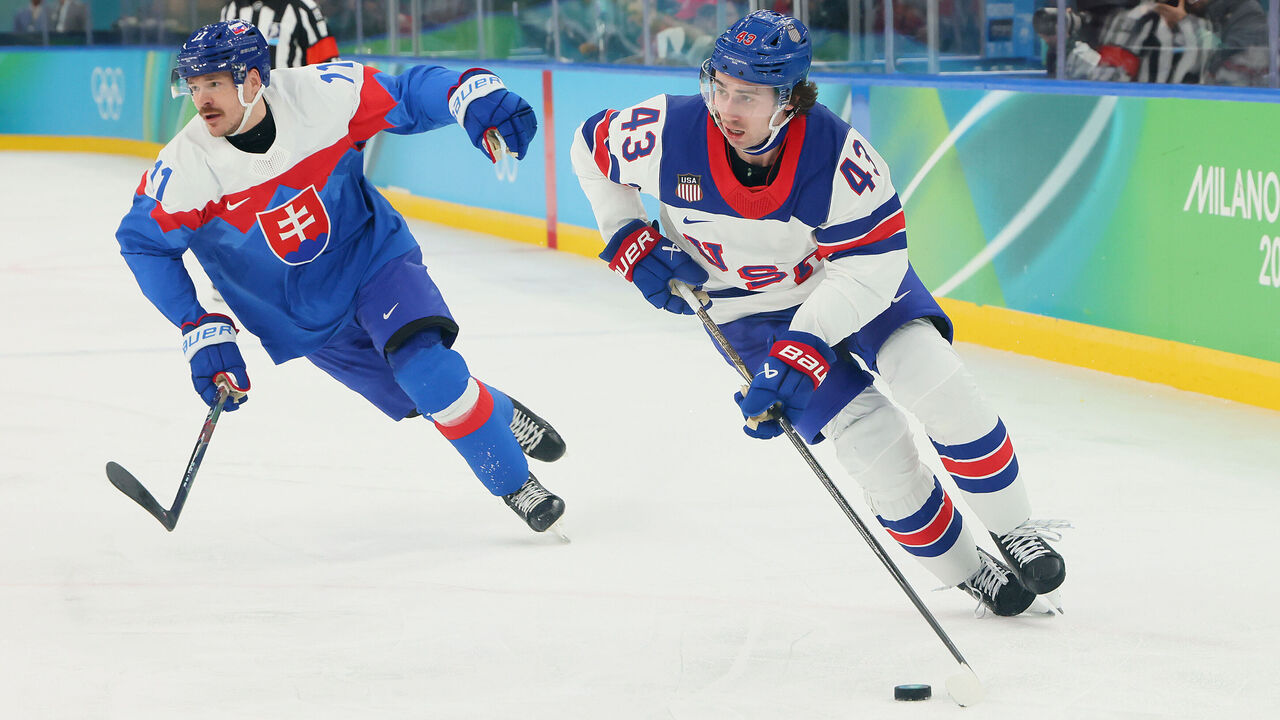
The American blue line is overflowing with highly effective players. Some rely on skating ability and puck skills, others on length and smarts. But all seven efficiently advance the puck on offense and reliably kill attacks on defense.
The crown jewel is Quinn Hughes, who controls the flow of a hockey game like nobody else on the planet. The Minnesota Wild superstar leads all U.S. skaters and Olympic defensemen in points and was the overtime hero in the quarterfinals. He's logging 23:05 a game - four minutes more than any other American - while outplaying Canadian contemporary Makar. (Are we still sure Makar is the clear-cut best defenseman in the world?)
The U.S. will have one or both of Hughes and Zach Werenski, another perennial Norris Trophy contender, on the ice for the majority of the gold-medal game. Canada simply can't compete with that one-two punch of elite, play-driving defensemen and must be OK with occasionally being on its heels.
The quick and rangy American defense corps is difficult to weave through off the rush and hard to beat in races to retrieve dump-ins. Yet Canada, with its abundance of dogged forwards, presents a unique forechecking challenge.
Coach Jon Cooper put Sam Bennett between Brad Marchand and Tom Wilson in the semifinal to form an intriguing all-rat line. The trio immediately impacted the game and will be tasked with bringing functional physicality, momentum-shifting energy, and high-danger scoring chances Sunday.
Brandon Hagel and Seth Jarvis, two feisty wingers further down the lineup, own the speed, tenacity, and two-way instincts to also test the U.S. breakout.
Binnington vs. Hellebuyck
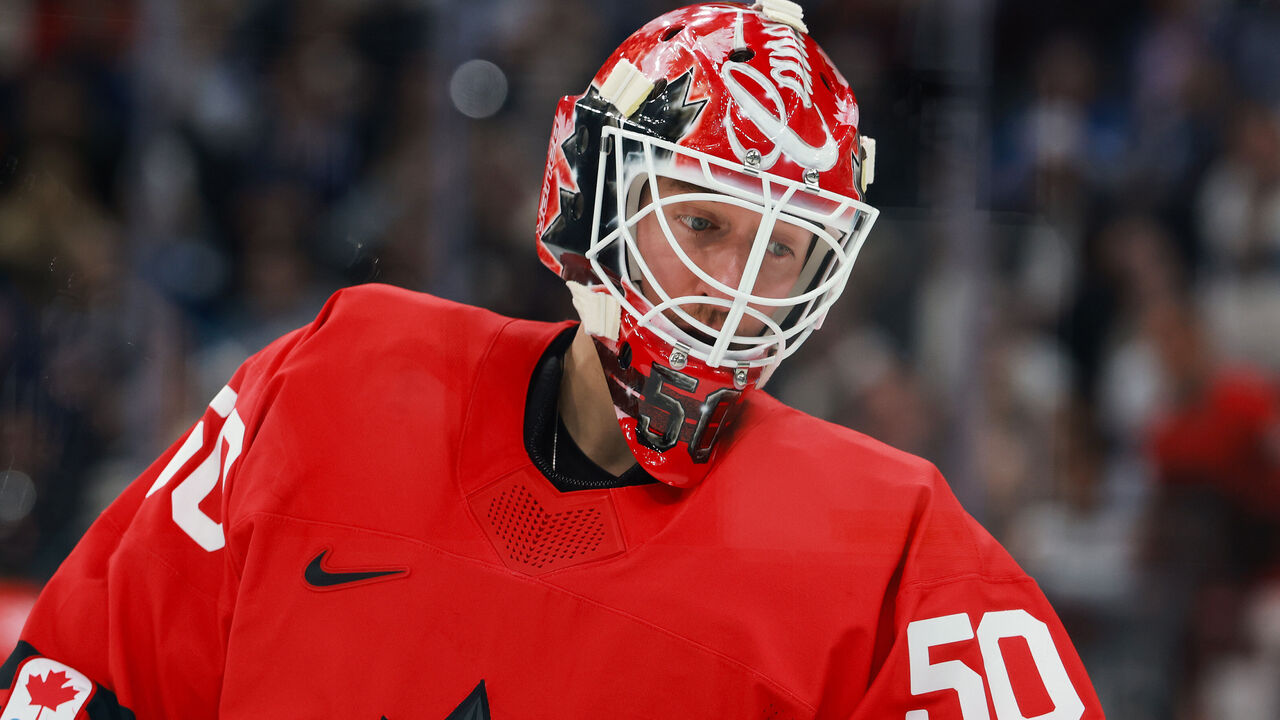
Beyond the hype and tension around Sunday's showdown is a hockey game. Goaltending always factors into the result, and the position's outsized importance becomes even more pronounced in a do-or-die setting.
Jordan Binnington enters the final with a .914 save percentage through four games. His run in Milan has been defined by timely saves, helpful puck-handling, and juicy rebounds. It's gone more or less as expected.
Connor Hellebuyck's strung together a tournament-leading .947 in four games. He's flexed his so-called "big and boring" style in the U.S. crease - so technically and mechanically brilliant - to also live up to expectations.
Both goalies are 32. Both are irrationally confident. Both are currently backstopping non-playoff teams in the NHL. Both reflect the state of goaltending in their respective countries. Both desperately need the victory.
Hellebuyck, the reigning Hart Trophy winner with three Vezinas, has failed to rise to the occasion in the playoffs throughout his career. It may sound harsh, but his reputation is on the line. Hellebuyck needs to finally win something.
Binnington, a 2019 Cup champion and 4 Nations winner, is having the worst season of his career. The reality: His country, the proudest hockey nation in the world, is relying on him to go save for save with Hellebuyck to keep the Americans off the top step of the podium.
John Matisz is theScore's senior NHL writer. Follow John on Twitter/X (@MatiszJohn) or contact him via email ([email protected]).


